

RESEARCH
New Series
Creating New Connections and Possibilities through Sustainability Vol. 1
JTB × UACJ
Experience meets Material: What lies beyond?
Creating New Connections and Possibilities through Sustainability Vol. 1
JTB × UACJ
Experience meets Material: What lies beyond?

Featuring
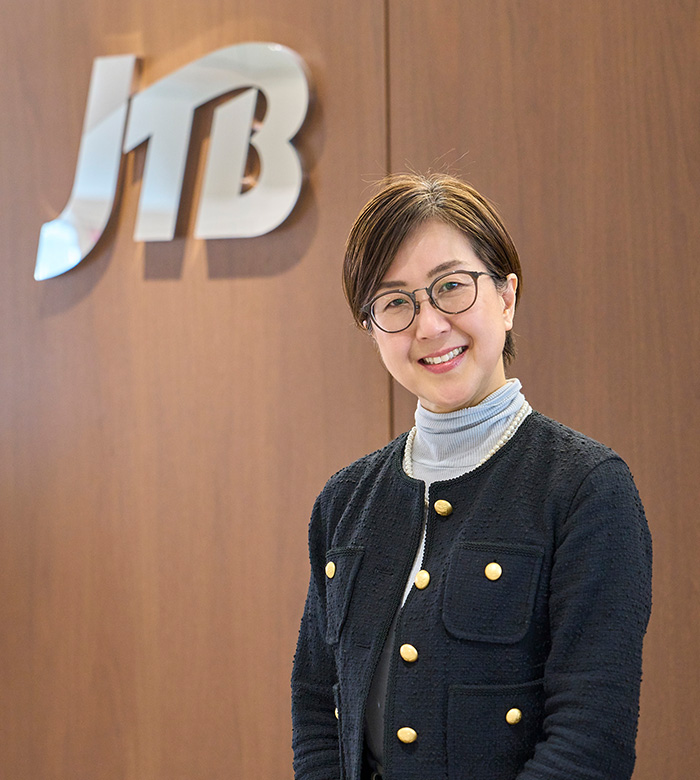
Hiroko Nakamura,
General Manager, DEIB & Sustainability Promotion
Business Solutions Division, JTB Corporation
*Titles, positions, and departments are as of February 2026
General Manager, DEIB & Sustainability Promotion
Business Solutions Division, JTB Corporation
*Titles, positions, and departments are as of February 2026

Interviewer
Machiko Shimizu,
UACJ Corporation
UACJ Corporation
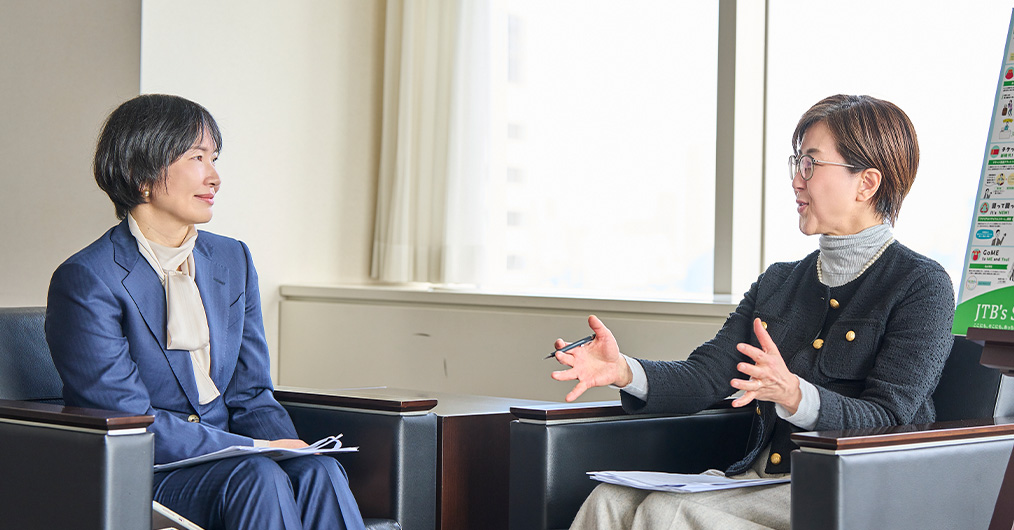
UACJ has launched a new interview series, "Connecting through Sustainability." How can we shape a sustainable future by merging wisdom across different industries to pursue sustainability? For our inaugural volume, we visited JTB Corp., a leader in the “Exchange Creation Business” that bridges people and places through tourism. Shimizu of UACJ—a dedicated advocate for aluminum can recycling and the circular economy—dives into the essence of sustainability within the tourism industry. While travel offers the intangible value of 'experience,' a concept seemingly worlds apart from raw materials, a deeper look reveals a surprising connection. What common aspirations emerge when these two distinct industries converge?

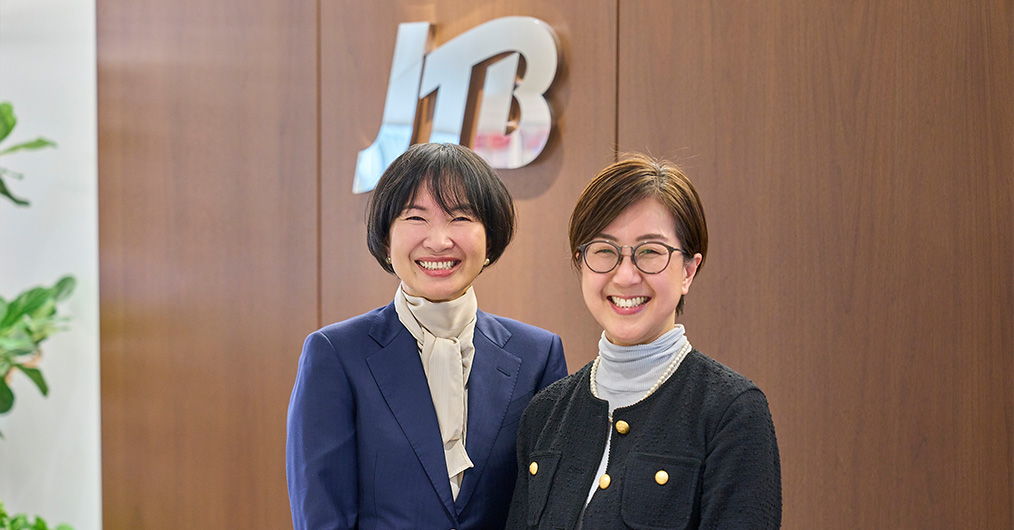
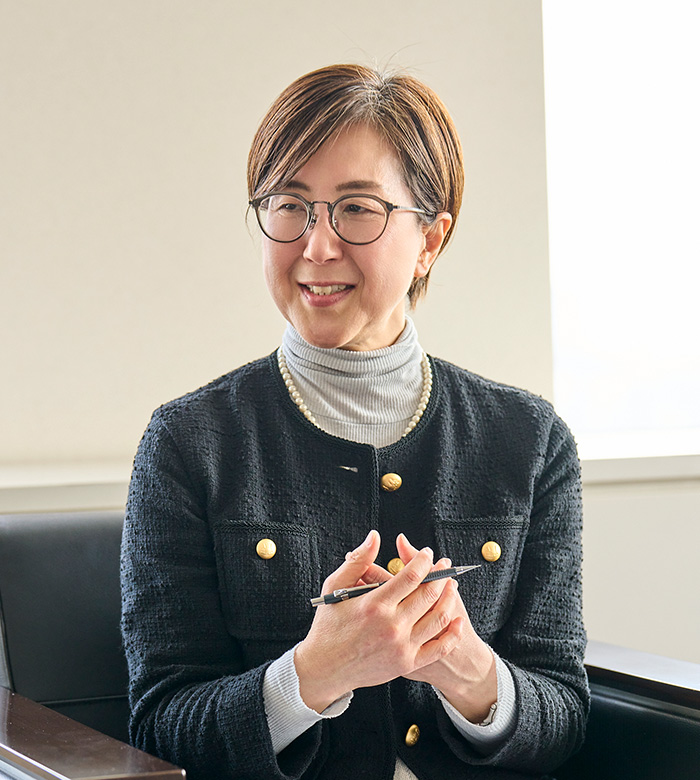
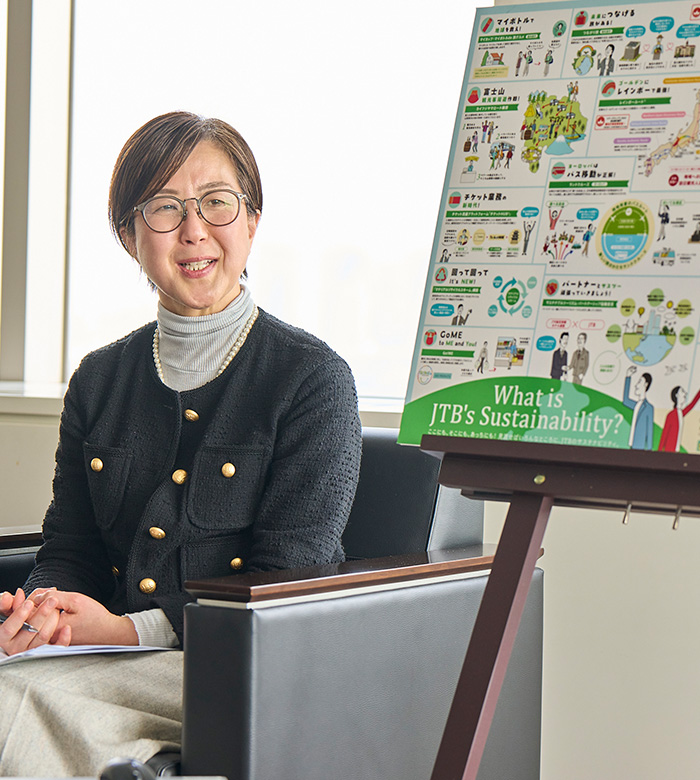
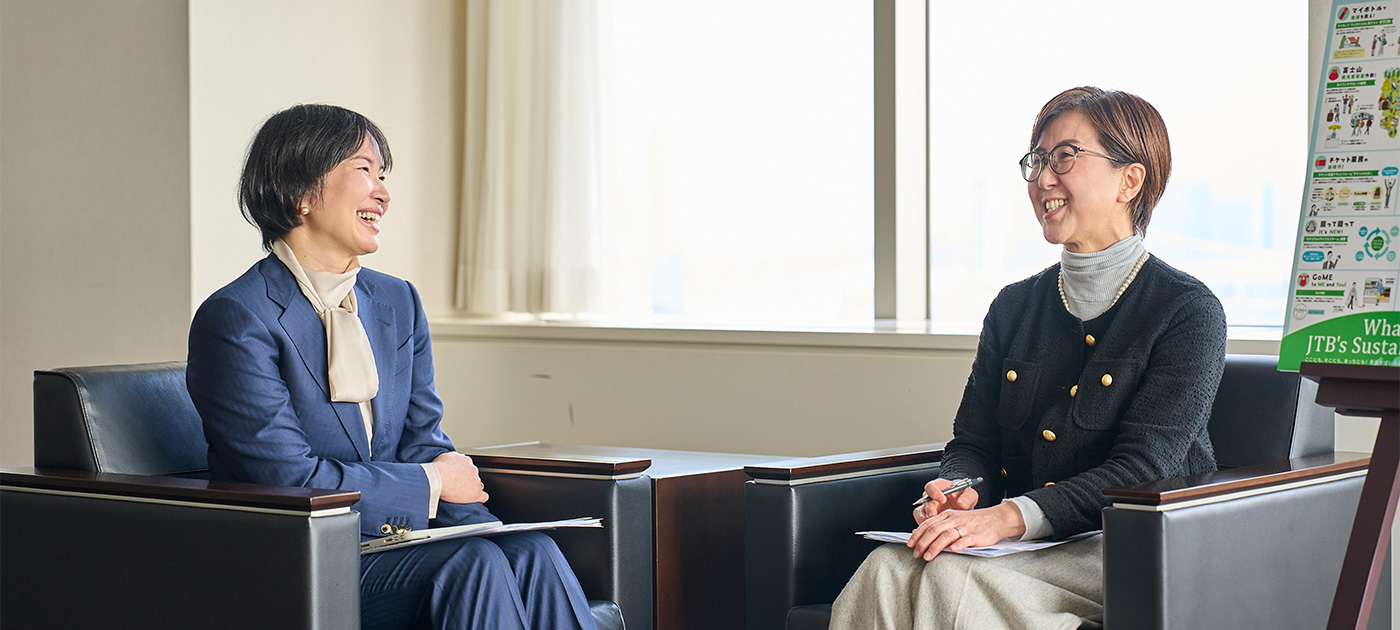
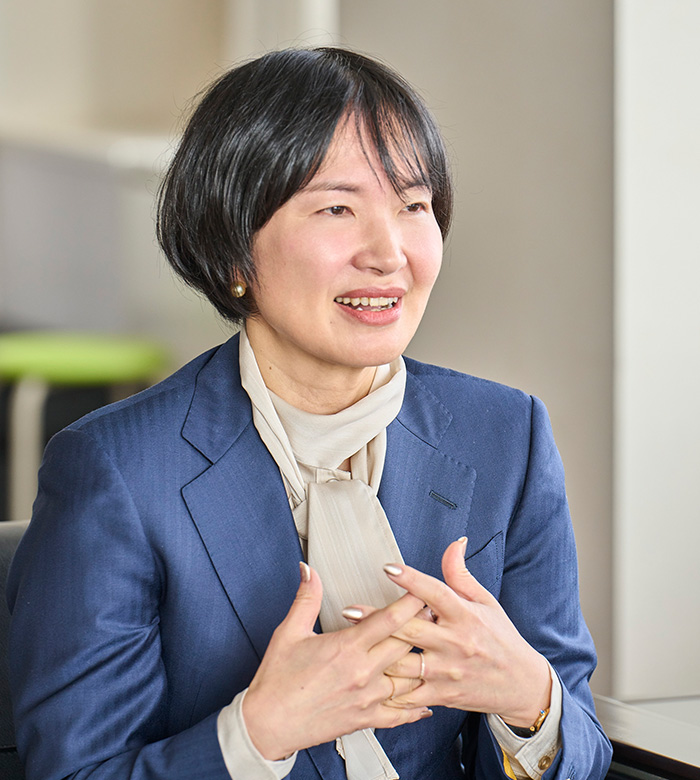
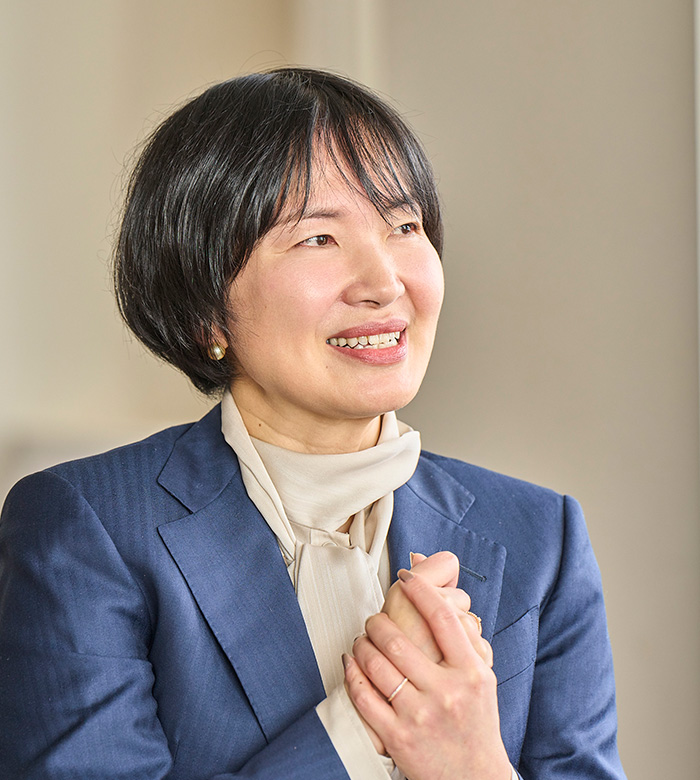
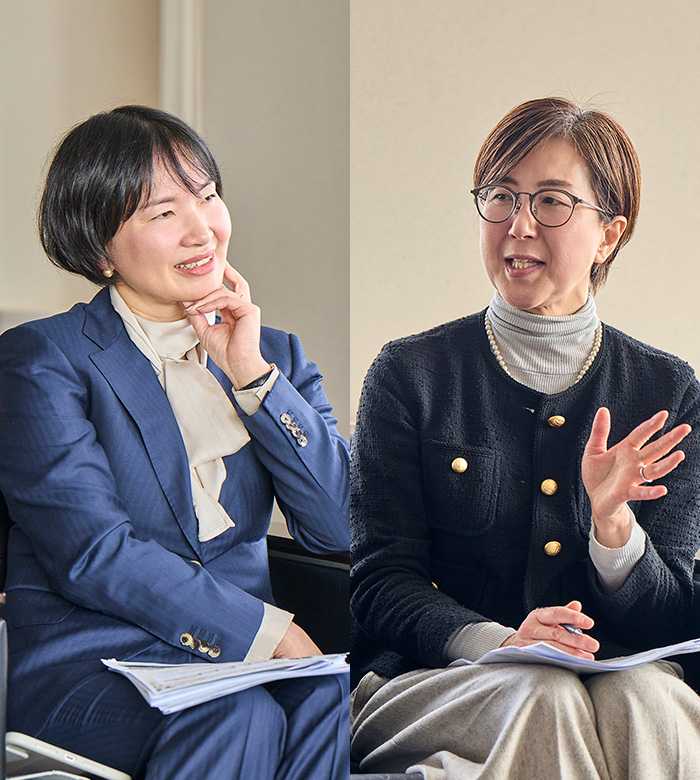
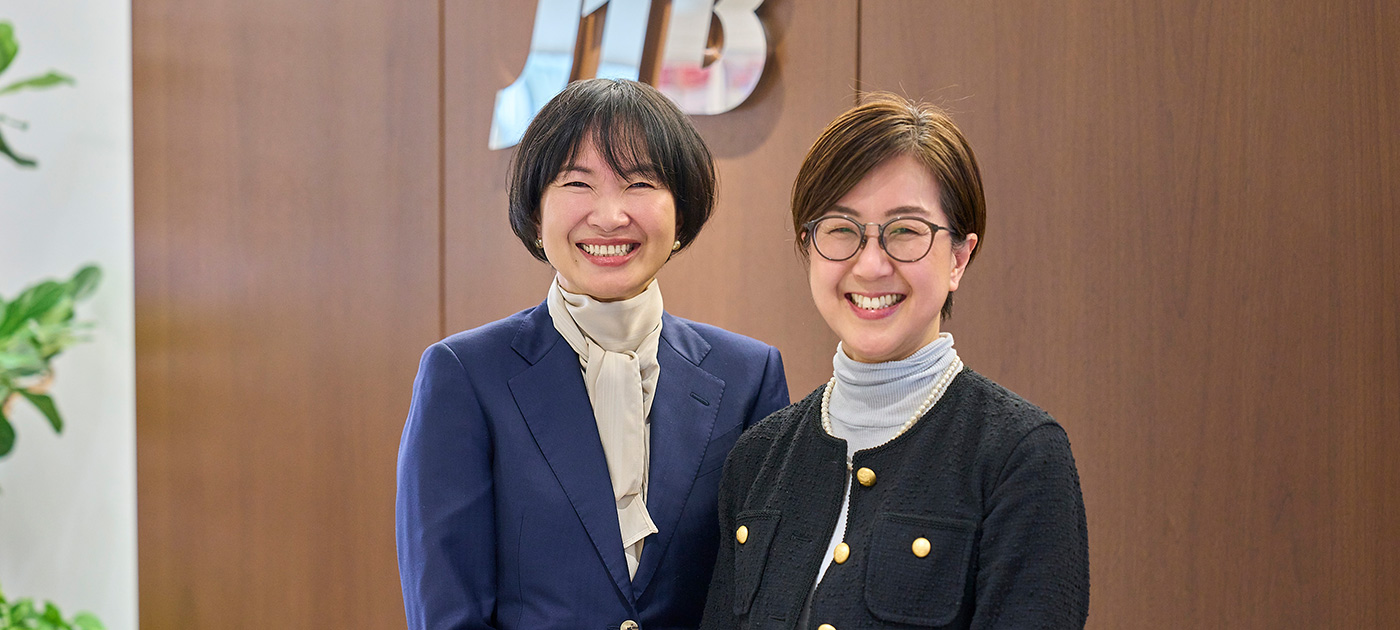
On the day I visited JTB’s headquarters for the first time, Hiroko Nakamura of JTB Corporation welcomed me with a bright smile and the words, “Welcome to the JTB office!” What new possibilities might emerge from this conversation?
First of all, could you introduce yourselves?

Nakamura
Thank you. I’ve really been looking forward to having a chance to talk with you today. This is actually the second time we’ve met in person, isn’t it? Since we have this opportunity, I thought it would be nice to have a more relaxed conversation. Would it be alright if I call you Machiko?

Shimizu
I’d be delighted! Of course. Then I’ll call you Hiroko as well.
Nakamura
Thank you! I already feel much more relaxed.
Shimizu
I understand that you currently lead the department responsible for promoting sustainability. Could you tell us about the mission you are working on?
Nakamura
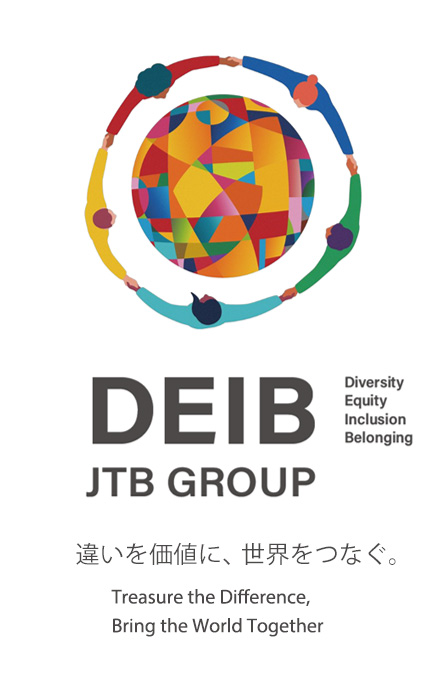
Within sustainability, I focus particularly on diversity (DEIB*). My mission is to find ways to combine JTB’s resources to help address the diversity and sustainability challenges faced by our corporate clients—and to turn those ideas into concrete solutions.
*DEIB: Short for Diversity, Equity, Inclusion, and Belonging. It represents a philosophy that goes beyond building a diverse workforce — one that values individual differences, ensures equal opportunities, and creates an environment where people can work and thrive with confidence. At JTB Group, “Belonging” is closely tied to the idea of psychological safety, where people feel comfortable being themselves and speaking up openly.
Shimizu
Travel and sustainability are actually very closely connected, aren’t they?
Nakamura
That’s right. If the beautiful nature and cultural heritage of tourist destinations are not preserved, the very “exchange” we aim to create would no longer be possible.

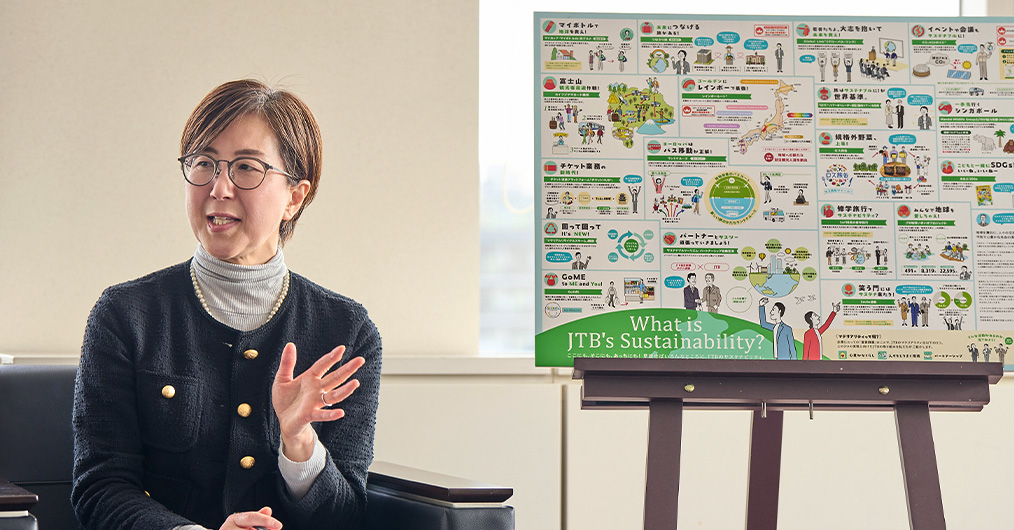
JTB’s Sustainability Initiatives
Shimizu
That’s really about protecting the very foundation of your business. I also believe that promoting the use of aluminum is an essential step toward building the circular economy. That is why we are actively promoting aluminum cans and working to build recycling systems that go beyond industry boundaries.
Nakamura
So promoting aluminum cans helps protect the foundation of your business, while also contributing to building the circular economy from an environmental perspective. Although our approaches may be different, we share the same sense of mission—to ensure that the cycle of sustainability that supports our businesses continues.
Why is JTB committed to diversity?
Nakamura
Many companies focus on diversity in terms of attributes such as gender or nationality. However, I believe that beyond such attributes, diversity in knowledge, experience, and career backgrounds is even more important.
Shimizu
I see.
Nakamura
When people with different backgrounds come together and exchange ideas in an environment of psychological safety, that collective knowledge is, in my view, the only path to innovation in a rapidly changing world.
Shimizu
The idea of “collective knowledge” really resonates with me. UACJ has long focused on refining its technologies as a materials manufacturer, but going forward we are also looking to create new value by bringing together people with different perspectives.
Nakamura
That said, diversity alone is not enough. If everyone is heading in completely different directions, it will not lead to anything meaningful. By first setting a clear direction and working toward the same goals, I believe collective knowledge can truly come to life.
Shimizu
That is very insightful. Reflecting on my own position, it makes me think about whether I am clearly communicating the importance of DEIB within my own department.
How do you engage employees?
Nakamura
When our dedicated organization was first established in 2007, many employees were asking, “What exactly is DEIB?” So in the beginning, it was quite a challenge (laughs).
Shimizu
How did you manage to make DEIB personal for employees?
Nakamura
One major factor was that our top management recognized the importance of DEIB at a very early stage and continuously communicated that message both internally and externally. Thanks to these steady efforts over time, I feel that a strong foundation has now been established across the company, and employees have come to see DEIB as something that concerns them personally.
Shimizu
The commitment of top management is essential, isn’t it?
Nakamura
Yes, absolutely. However, the power of bottom-up initiatives is just as important as strong leadership from the top. Across our locations nationwide, we have continued to promote grassroots initiatives such as “Smile activities” , in which employees voluntarily take action, as well as programs like “JTB DEIB Week.”
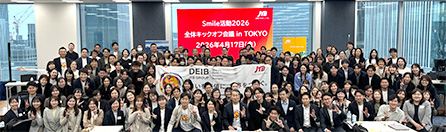
“Smile activities”: organizational initiatives in which employees identify issues themselves and take action to solve workplace challenges and strengthen their teams.
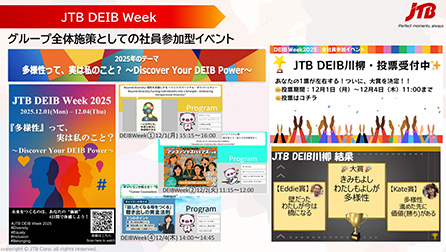
DEIB Week
Shimizu
Do employees show strong interest in participating in these kinds of initiatives and internal events?
Nakamura
Since we are a company whose business centers on experiences—such as travel and events—there is a great deal of enthusiasm. Employees genuinely enjoy taking part in these activities. I would say this reflects our corporate culture.
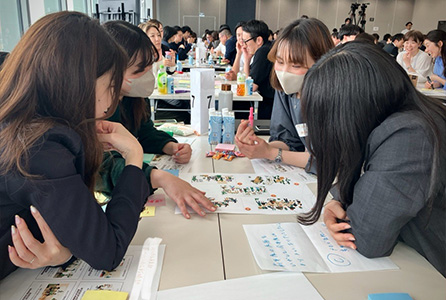
Smiles-in-Action Kickoff Meeting
Shimizu
The sense of “fun” that participating employees feel is important. It can also become a driving force for voluntary action.
Nakamura
Exactly. Another approach we have taken is to link some of these activities to internal evaluation systems.
Shimizu
So they’re even tied to employee evaluations! That really shows the company’s commitment.
Does promoting aluminum contribute to environmental protection?
Shimizu
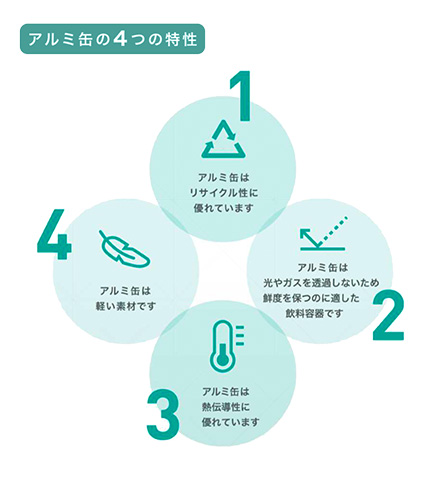
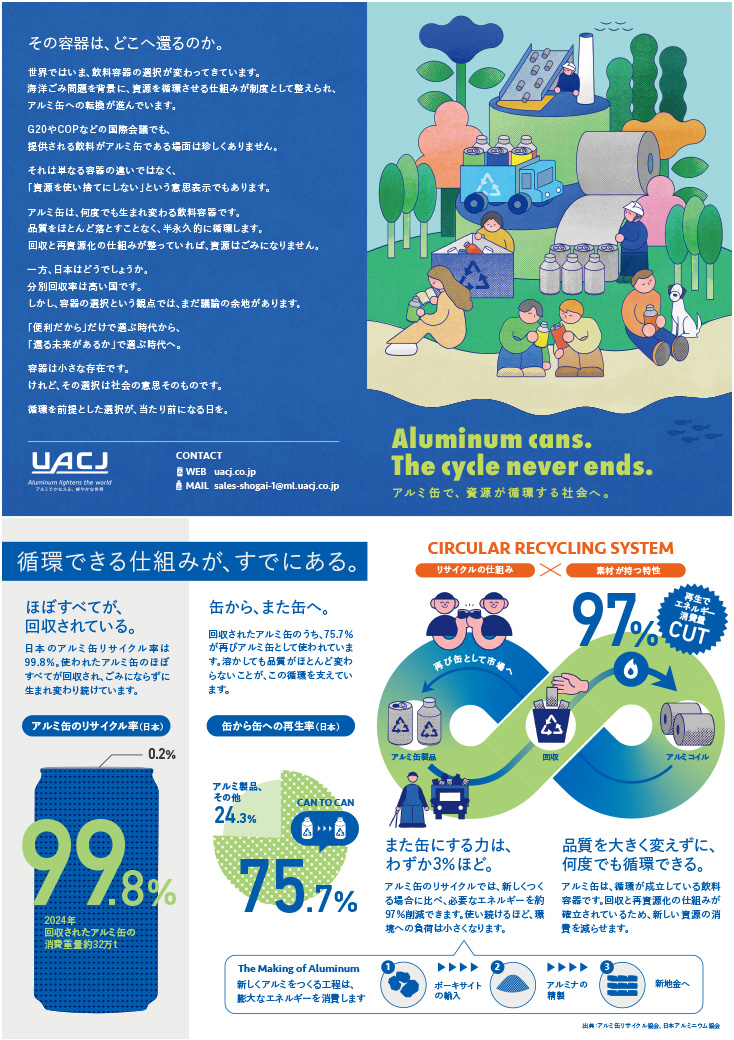
Aluminum is actually such a sustainable material that it is often called the “king of recycling.” Once it has been produced, the energy required to recycle it is only about 3% of what is needed to produce new aluminum. What’s more, it can be recycled almost indefinitely. That means simply choosing aluminum in our daily lives can itself be a meaningful contribution to environmental action.
Nakamura
I must admit that it was only when you approached us for this interview that I learned about the characteristics of aluminum in detail. The more I hear about it, the more I realize how environmentally valuable it is as a material.
Shimizu
Thank you. As a first step toward helping more people recognize aluminum’s value as an environmentally friendly material, one of our new initiatives is to provide opportunities for people to try original-design aluminum bottled water.
Nakamura
You mean aluminum bottled water?
Shimizu
Yes. In the past, the industry standard was to place orders for aluminum cans in very large lots—typically tens of thousands of cans at a time. However, that threshold was simply too high, and many customers who wanted to choose environmentally friendly aluminum ended up giving up. Our starting point was the desire to change a situation where customers couldn’t even consider aluminum as an option.
Nakamura
I see. Smaller municipalities or event organizers wouldn’t be able to order that many.
Shimizu
Exactly. So we developed a system that allows orders starting from as few as 100 cans.
Nakamura
From tens of thousands down to just 100 cans? That’s an incredible breakthrough. It couldn’t have been easy to make that happen.
Shimizu
At first, there were many concerns from the production side, with people feeling that it would be too great a hurdle for a materials manufacturer. But for the larger goal of promoting the value of aluminum, we continued our discussions and tackled the challenges one by one, and eventually we were able to make it happen.
Nakamura
That’s impressive!
Shimizu
We wanted to make it possible for customers to choose sustainable options easily and in an enjoyable way. By lowering the barriers to making that choice and offering more flexible options, we are now hearing from customers who previously used other materials and now say, “If that’s the case, we’d like to switch to aluminum cans.”
What could collaboration between materials and experiences look like?
Nakamura
For example, at large conferences or events hosted by JTB, we could make use of UACJ’s 100-can small-lot option to distribute aluminum cans designed specifically for the event.
Shimizu
That sounds like something we could put into practice right away!
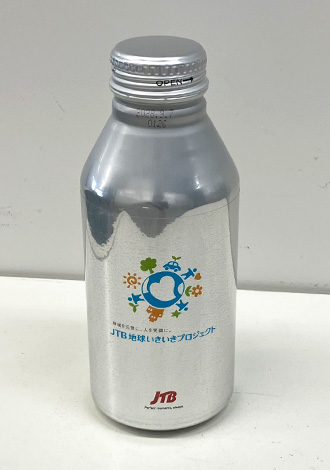
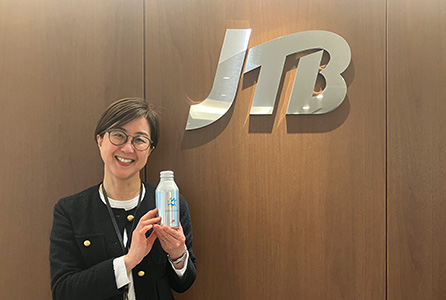
JTB original water in a specially designed aluminum bottle, specially prepared for this occasion. Custom printing is available on the body of the bottle.
Nakamura
After people finish their drinks, the aluminum cans could be collected on the spot and then recycled into new aluminum. If we could offer that circular process itself as an experience, it would surely change how participants think about sustainability.
Shimizu
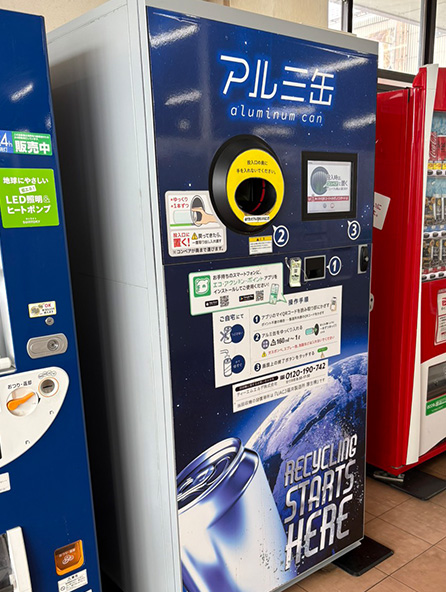
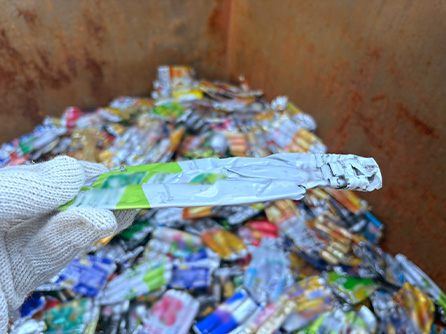
That’s a great idea! Providing the recycling process itself as part of the experience sounds really interesting. As a side note, I actually love the sound aluminum cans make when they are crushed in a recycling machine—the crisp crunching sound (laughs).
Nakamura
Really, the sound? But actually, that might be a very important perspective. Things that appeal directly to the five senses can often spark ideas for creating something new.
Shimizu
Really? Then I would love for you to experience the sound of aluminum cans being recycled someday, Hiroko.
Bringing together knowledge from different industries: what possibilities lie ahead?
Nakamura
Because we come from different industries, we may be able to leverage each other’s areas of expertise and strengths in developing new markets. We could deliver a sustainable story that begins with “materials” through the “experiences” that JTB creates. The thought of taking on such a new challenge is very exciting.
Shimizu
I feel the same way. Just as you mentioned earlier with the idea of “collective knowledge,” I believe that combining the knowledge of different industries can open up entirely new possibilities.
Nakamura
Through today’s conversation, I’ve been truly inspired by your “passion for materials” and the energy you bring to moving initiatives forward.
Shimizu
Thank you for your kind words. I would love for us to continue exploring new possibilities together.
Nakamura
Yes, today marks the first step. I look forward to working together going forward.
Shimizu
Likewise. Thank you very much for your time today.
AFTER INTERVIEW
Machiko Shimizu, UACJ
When I first heard about the opportunity to collaborate with JTB, I’ll admit I was a bit nervous about whether we’d find common ground. But the moment I met Hiroko-san, those concerns quickly disappeared. Our conversation gave me a much deeper understanding of JTB’s approach to sustainability—especially her work in DEIB—and offered valuable insight into where UACJ should be heading next. And on a personal note, I was especially happy to see Hiroko-san come away with a real appreciation for aluminum.
Profile
At UACJ, I oversee aluminum can sales and external relations. I love aluminum cans and am deeply passionate about circular economy solutions—so much so that you could say I’m an aluminum can enthusiast through and through. If you have any questions about aluminum cans, I’d be more than happy to talk with you.
Start your sustainability journey with aluminum bottled water
As the way we use beverage containers is being reexamined around the world, we believe the key strength of aluminum—its ability to be recycled again and again—can help move us toward a more sustainable, circular future.
We hope to work with companies and organizations that share this vision, expanding new environmental initiatives together through aluminum.
Why not take your first step with custom-designed aluminum bottled water? If you’re interested in using it for your initiatives or exploring partnership opportunities, please feel free to contact us below.
【CONTACT】
MAIL:sales-shogai-1@ml.uacj.co.jp
We hope to work with companies and organizations that share this vision, expanding new environmental initiatives together through aluminum.
Why not take your first step with custom-designed aluminum bottled water? If you’re interested in using it for your initiatives or exploring partnership opportunities, please feel free to contact us below.
【CONTACT】
MAIL:sales-shogai-1@ml.uacj.co.jp
Learn more
Learn more about the features of aluminum cans, useful facts, and recycling practices around the world.
Please also visit the website operated by the Japan Aluminium Association.
Please also visit the website operated by the Japan Aluminium Association.
* The information in this article was current at the time of the interview.