RESEARCH
What If Honey Disappeared Tomorrow?
What You Should Know About Biodiversity Today
What You Should Know About Biodiversity Today

Featuring
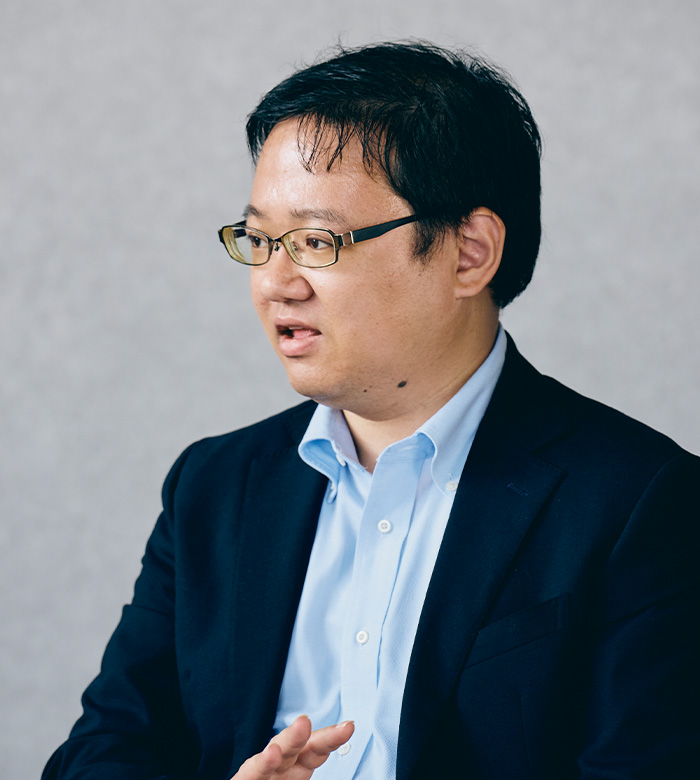
Kosuke Nakagawa
Kajima Technical Research Institute
Kajima Technical Research Institute

Interviewer
Yukio Honkawa, UACJ

Interviewer
Akiko Hamaguchi, UACJ

Interviewer
Kai Shimomura, UACJ
Imagine walking into your local supermarket only to find that honey and coffee have disappeared from the shelves, and that the seafood section offers just a single type of fish. What if that became part of everyday life?
In this interview, UACJ members sit down with Mr. Kosuke Nakagawa of Kajima Corporation, a company at the forefront of forest management and ecosystem restoration in Japan, to explore the topic of biodiversity—something that has a profound impact on our daily lives. What can companies do for the natural environment and biodiversity? And how are aluminum, water, and local ecosystems more closely connected than they might first appear?
In this interview, UACJ members sit down with Mr. Kosuke Nakagawa of Kajima Corporation, a company at the forefront of forest management and ecosystem restoration in Japan, to explore the topic of biodiversity—something that has a profound impact on our daily lives. What can companies do for the natural environment and biodiversity? And how are aluminum, water, and local ecosystems more closely connected than they might first appear?

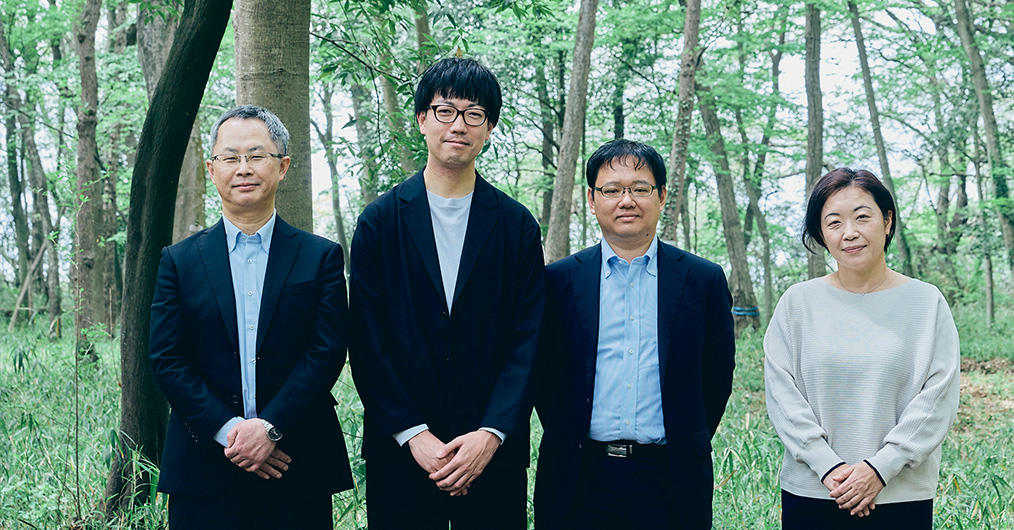
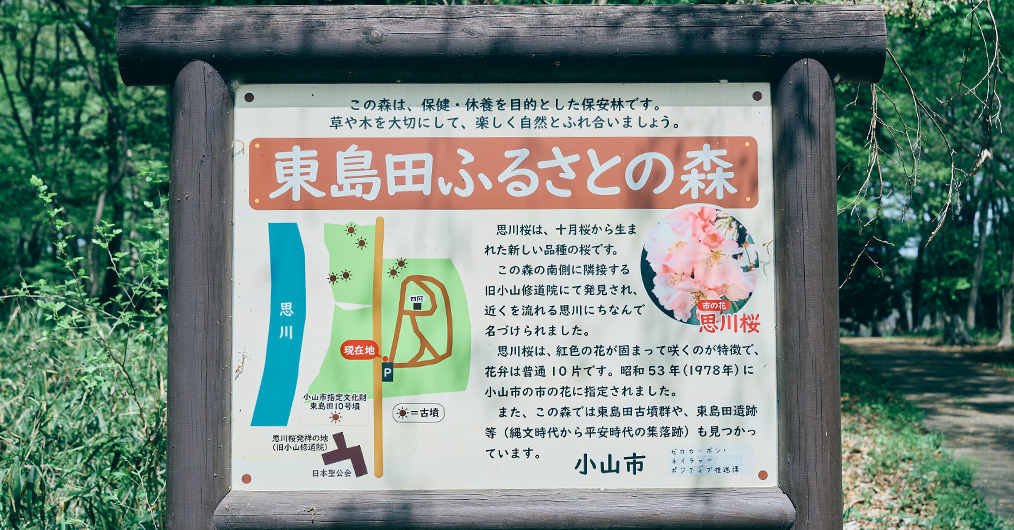
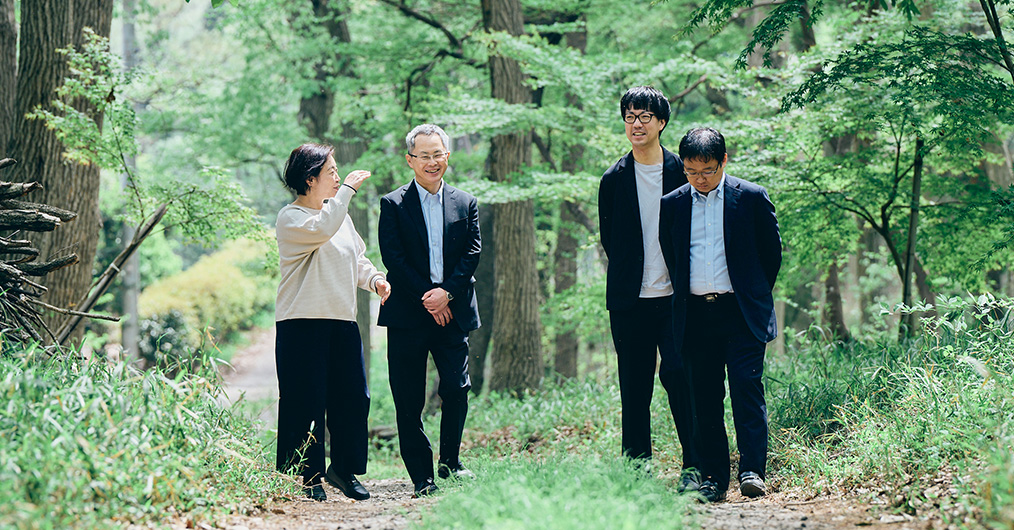
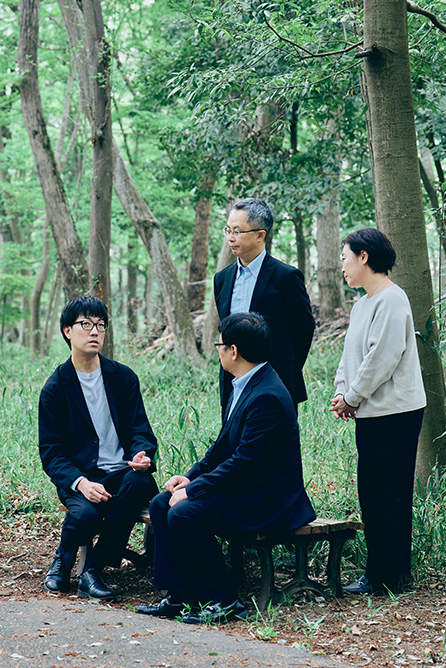
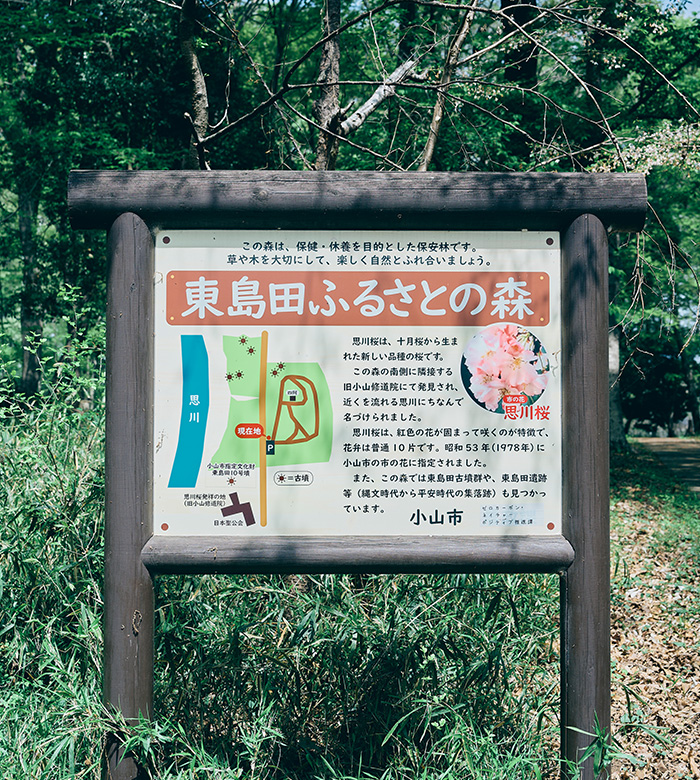
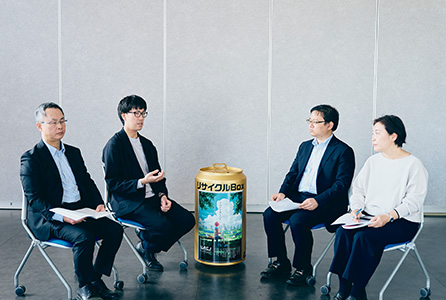
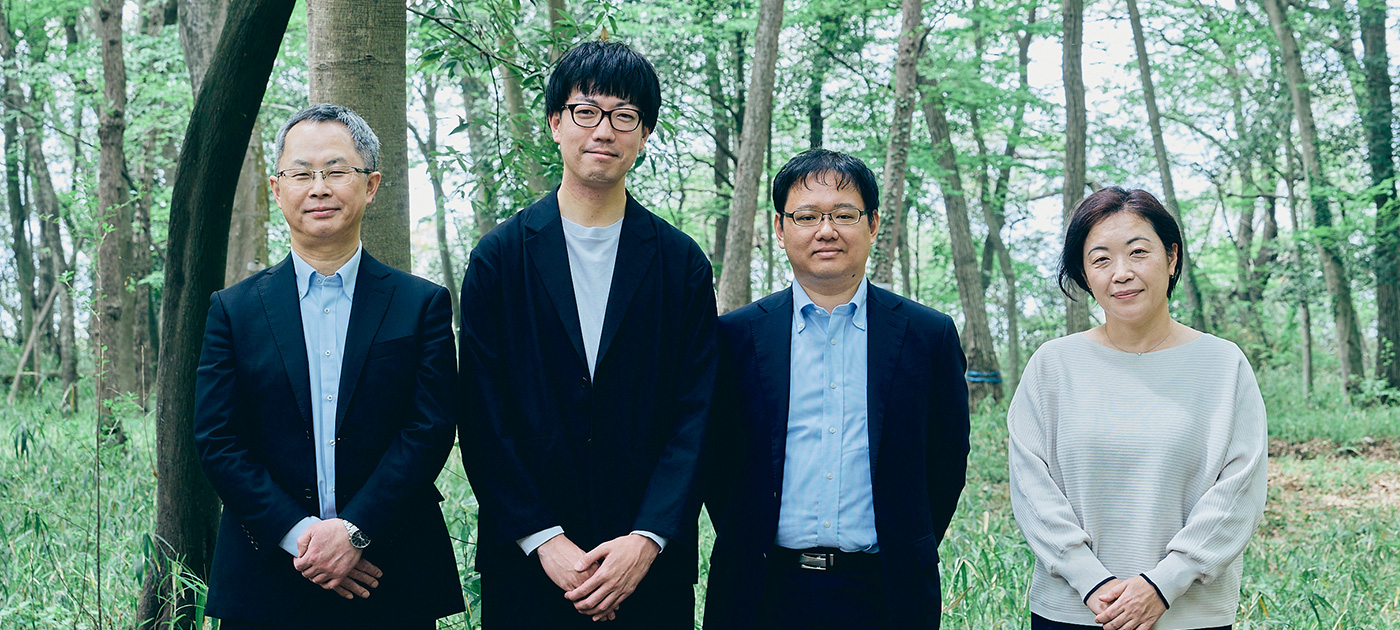
The interview takes place at Higashi-Shimada Furusato no Mori, a lush green forest located near the Oyama Works. There, we met with Mr. Nakagawa, and our conversation began. As it happens, Mr. Nakagawa provided environmental consulting services to UACJ until last year, making this a welcome reunion.

What Exactly Is Biodiversity?

Nakagawa
Simply put, biodiversity is the rich variety of differences and connections among living things. From a scientific perspective, it encompasses diversity at several levels—from genetic diversity and species diversity to the diversity of ecosystems such as forests, rivers, and oceans. Although the term biodiversity became widely used in the 1980s, the idea that the diversity of living organisms supports ecosystems has been discussed for many years.

Shimomura
I was familiar with the term itself, but I didn't realize that the underlying concept had been discussed for so long.

Honkawa
We also hear the term Nature Positive quite often these days.
Nakagawa
That's a much newer concept. It gained global attention following the 2021 G7 Summit, when the international community committed to halting and reversing nature loss by 2030.

Hamaguchi
Why have biodiversity and Nature Positive become such important topics not only in environmental circles but also in the business world?
Nakagawa
There's been a shift in perspective—from seeing nature simply as something to protect to recognizing it as the very foundation that supports our lives, cultures, and economic activities. As a result, these issues have also attracted growing attention from the financial and business communities.
Hamaguchi
That makes perfect sense.
How Does Biodiversity Affect Our Daily Lives?
Nakagawa
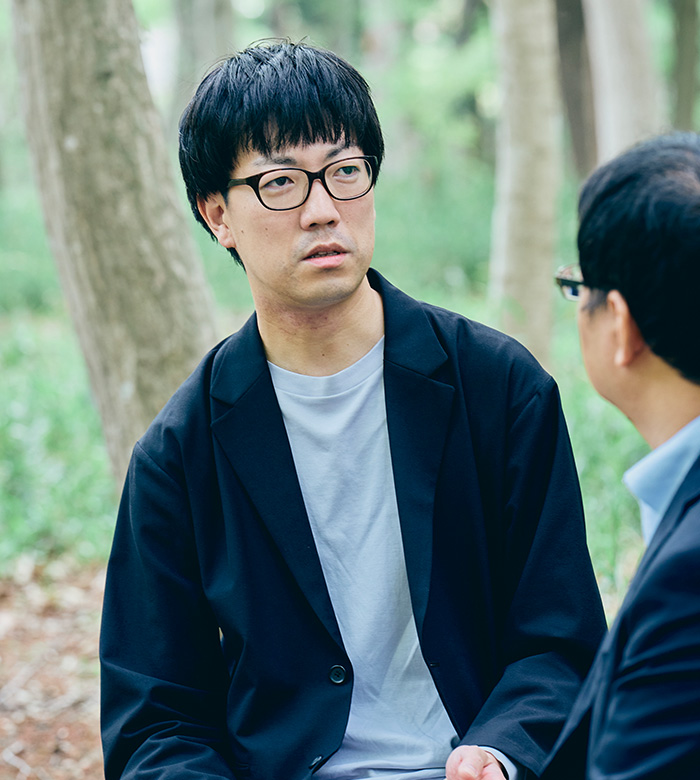
One way biodiversity affects our daily lives is through the food we eat. For example, honey and coffee could disappear from the shelves, and the variety of fish available to us could become much more limited.
Shimomura
How exactly are biodiversity, honey, and fish connected?
Nakagawa
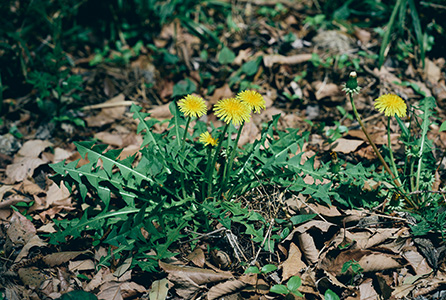
Our lives depend on ecosystems, where a wide variety of living organisms interact with one another and with their surrounding environment—water, soil, forests, and oceans. For example, insects such as bees pollinate flowers, allowing many plants to bear fruit. As a result, we can produce fruits and vegetables, and bees also provide us with honey. If bee populations decline because of environmental changes, the food on our tables could change dramatically as well.
Shimomura
So the effects eventually make their way into our everyday lives.
Nakagawa
The same applies to fish. Rainwater soaks into forests and soil, emerging as spring water and flowing through rivers before eventually reaching the sea. The water and nutrients it carries provide essential support for aquatic life in rivers and coastal areas. If this natural system is disrupted, both the variety and abundance of fish we can catch may also be affected.
Honkawa
I still remember your explanation of the Rivet Hypothesis. It really left an impression on me.
Nakagawa
The Rivet Hypothesis compares an ecosystem to an airplane, with each species representing a rivet that holds the aircraft together. Losing a single rivet may not cause the plane to crash immediately. But as more and more rivets are lost, the aircraft may eventually lose its ability to stay in the air. It's a way of illustrating the relationship between species and the ecosystems they support.
Honkawa
Losing a single part may not affect the plane's ability to fly, but once enough parts—or different kinds of parts—are missing, it can no longer stay airborne. Thinking about ecosystems in the same way helps explain why we might find ourselves unable to enjoy foods we've always taken for granted.
Shimomura
It really shows how delicately balanced our lives are.
Nakagawa
Exactly. Even if one rivet comes loose, the plane may not crash right away. The same principle applies to ecosystems. As species gradually disappear, ecosystems lose the stability and resilience they naturally possess. Once a certain threshold is crossed, significant impacts may suddenly emerge. The most unsettling part is that we don't know when that tipping point will come.
What's Unique About the Relationship Between Japanese People and Nature?
Nakagawa
Japan has a truly unique natural environment, even by global standards. Stretching a long distance from north to south, the country has a wide range of climates and elevations, making it one of the world's biodiversity hotspots. In an environment like this, the relationship between people and nature has also developed in a unique way.
Hamaguchi
What do you mean by that?
Nakagawa
It means that people and nature are not completely separated from one another. Nature, our daily lives, local communities, and culture blend seamlessly into one another. One indication of this is that, while many natural environments around the world remain largely untouched, most of Japan's natural landscapes have been shaped by human hands.
Shimomura
Now that you mention it, the landscapes many Japanese people associate with nature—such as rice paddies and satoyama landscapes (traditional Japanese landscapes shaped by interactions between people and nature have all been shaped and maintained by people.
Nakagawa
Exactly.
Hamaguchi
Compared with Japan, wildlife conservation and environmental protection activities seem much more prominent in Europe and North America. Perhaps that also reflects differences in how people relate to nature.
Shimomura
I think you're right. When someone simply says, "Let's protect the environment," it doesn't always resonate with us. Maybe that's because, in Japan, we don't tend to see nature as something separate from ourselves that simply needs protecting, whereas that distinction has historically been more pronounced in many Western countries.
Nakagawa
That said, the term Anthropocene* reflects the fact that human activities now have a profound impact on the planet. Precisely because of that, it's important to maintain an appropriate relationship with nature while also making a conscious effort to care for it.
Shimomura
That's fascinating. It really makes you realize that every country and region has its own unique relationship with nature.
*Anthropocene: A proposed geological epoch in which human activities have become the dominant influence on the Earth's climate and ecosystems.
What Can Companies Do for Nature?
Nakagawa
The first step is to understand the extent to which a company’s activities affect nature and how much its business depends on the benefits nature provides. It is important for companies to recognize their relationship with nature as an issue that directly concerns them. UACJ has also conducted assessments in a variety of ways, hasn’t it?
Honkawa
Yes. We began four or five years ago by using the CDP(*1) assessment framework to evaluate our efforts to reduce negative environmental impacts. We are now considering initiatives that will build on those scores and lead to greater corporate value.
Nakagawa
I also took part in assessing the environmental impacts of UACJ's manufacturing sites on their surrounding areas. We also held study sessions for members of senior management, didn’t we?
Honkawa
Yes. I believe biodiversity and environmental issues are now being discussed as management priorities because senior management gained an understanding of them at an early stage.
Hamaguchi
With your support, Mr. Nakagawa, we were finally able to begin publishing disclosures aligned with the TNFD(*2) framework last year.
Nakagawa
That’s right.
Hamaguchi
That said, we see TNFD-aligned disclosures as only the starting point for our full-scale efforts as a company to advance Nature Positive initiatives. We hope to use it as a foundation for considering what specific actions we should take from here.
*1 CDP (formerly the Carbon Disclosure Project): An international nonprofit organization that encourages companies to disclose environmental information—including information on climate change, water security, and forests—and assesses their environmental performance.
*2 TNFD (Taskforce on Nature-related Financial Disclosures): An international framework that helps companies identify risks and opportunities related to natural capital and biodiversity and disclose their financial implications.
*2 TNFD (Taskforce on Nature-related Financial Disclosures): An international framework that helps companies identify risks and opportunities related to natural capital and biodiversity and disclose their financial implications.

What Are Some Examples of Corporate Environmental Initiatives?
Nakagawa
There are two broad approaches. One is to contribute through a company's core business. The other is to foster relationships with nature and local communities through activities that extend beyond the core business, such as community engagement and other social initiatives.
Shimomura
What does that look like in practice? What kinds of initiatives is Kajima Corporation undertaking through its core business?
Nakagawa
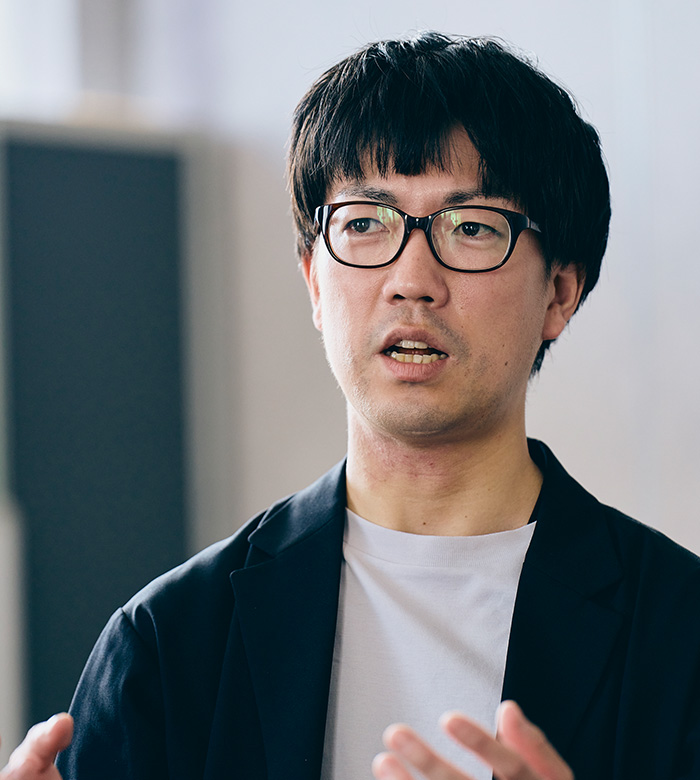
Kajima is a general construction company founded in 1840. Across the group, we own approximately 5,500 hectares of company-owned forests at 49 locations throughout Japan. We manage these forests responsibly, and in recent years we have also begun using timber harvested from them in our own facilities as well as in those of our customers. I see this as one example of contributing through our core business.
Shimomura
It's not unusual for companies to own forests, but it's quite rare to find one that has been managing forests on a nationwide scale for more than a century.
Nakagawa
I've heard that our forest management activities trace their roots back to the postwar period, when then-President Morinosuke Kajima believed that rebuilding devastated forests was fundamental to rebuilding the nation. Later, as Japan's railway network expanded, the company expanded its forest holdings in order to supply timber for railway sleepers.
Honkawa
I see.
Nakagawa
Construction inevitably alters the land and affects the natural environment, so our industry has a responsibility to nature. I believe our commitment to taking that responsibility seriously has been embedded in our corporate DNA for more than a century.
Shimomura
At UACJ, we work with aluminum as a resource, and our manufacturing processes require large amounts of water. So this certainly isn't someone else's issue.
Hamaguchi
Going forward, companies will likely be expected not only to reduce their negative impacts but also to take a Nature Positive approach by actively contributing to the restoration and enhancement of nature.
Nakagawa
I agree. At Kajima, we've also applied the expertise we've developed through managing our company-owned forests to forest management and land-use planning projects. We put the knowledge and data we've accumulated over many years to work in projects such as greening our customers' buildings and restoring local landscapes. I believe this is another way of contributing to the environment through our core business.
Shimomura
I see. So it's not just about using timber—you're also applying your expertise to how forests and land can be managed and utilized effectively as part of your core business.

What Can Companies Do for the Environment beyond Their Core Business?
Nakagawa
One example is organizing environmental education programs and other community events in the areas where a company operates. At first glance, these may seem like social contribution activities that are separate from the core business. However, environmental initiatives cannot be separated from building strong relationships with local communities.
Honkawa
I completely agree. The impact may not be immediately visible, but these activities can make a significant contribution to the natural environment.
Nakagawa
Exactly. Working together with local residents to learn about and protect the natural environment of their region ultimately provides a foundation for building long-term trust between a company and the community.
Shimomura
At UACJ, each of our manufacturing sites holds local community festivals, such as the Inari Festival. We also organize cleanup activities in the areas surrounding our manufacturing sites.
Nakagawa
The key is to pursue both approaches—through your core business and beyond it—in parallel. While continuing to make meaningful environmental contributions through your core business, it's equally important to take a long-term perspective and engage in initiatives that strengthen relationships with nature and local communities.

What Are UACJ's Priorities Going Forward?
Honkawa
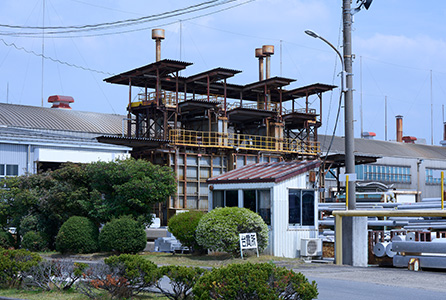
In our Fourth Mid-Term Management Plan, we identified biodiversity as one of our key themes. We began by asking ourselves where our manufacturing operations intersect with nature, and that led us to focus on water as a key issue.
Shimomura
Water is indispensable to aluminum manufacturing, so we have set a goal of contributing to the natural environment around our manufacturing sites by focusing first on water.
Nakagawa
Every manufacturing site exists within a landscape shaped by a long history and a unique ecological context. Gaining a deeper understanding of the local water cycle can also help strengthen business resilience by preparing for risks such as water shortages.
Honkawa
Aluminum recycling also contributes to biodiversity, doesn't it?
Nakagawa
Absolutely. Producing primary aluminum requires mining bauxite, which can involve clearing vast areas of forest for mining operations. By promoting recycling, we can reduce the need for such new development while also significantly cutting CO2 emissions. Until now, aluminum recycling has mainly been promoted in the context of conserving resources. Going forward, however, I think we should also highlight its value from a Nature Positive perspective.
Honkawa
That's a great point. Thank you.
Hamaguchi
At UACJ, we also produce aluminum straws made from retired Shinkansen train cars. I think they're a great way to help people experience recycling in a more tangible way and encourage them to think about nature.
Nakagawa
Providing opportunities not only to learn about nature, but also to engage with it firsthand and contribute to its conservation is another valuable approach beyond a company's core business.
What Will Be the Key to Future Initiatives?
Honkawa
Going forward, recycling will remain one of UACJ's top priorities. We also see it as critically important from the standpoint of its impact on the natural environment. As a company that works with aluminum, we believe we have a responsibility to establish systems for thorough source separation and domestic recycling.
Nakagawa
Aluminum is a remarkable material because it can be recycled again and again. That makes it a powerful driver of a circular economy.
Hamaguchi
I also feel that we need to place greater emphasis on local contexts. Each of our sites has its own regional characteristics and environmental challenges, so we need to better understand and address the nature-related issues unique to each area.
Nakagawa
One thing I've come to realize is that having fun is also an important part of the equation. Whenever I walk around project sites with clients, they genuinely enjoy interacting with nature and looking for plants and animals.
Hamaguchi
I believe every community has unique values that only local people truly appreciate. I'd like to deepen our connections with local communities by working together to develop new ideas.
Nakagawa
Of course, every initiative should have business value. But in the end, what sustains our efforts is the sense of joy and excitement they bring us. I look forward to seeing UACJ develop its own distinctive way of engaging with the natural environment in the communities where it operates.
Honkawa
Thank you. I'd like to combine the potential of aluminum with what we've learned today about living in harmony with nature to create new value.
Nakagawa
I look forward to seeing what you achieve.
All: Thank you very much.
All: Thank you very much.
AFTER INTERVIEW
Yukio Honkawa, UACJ
Mr. Nakagawa previously served as a lecturer at a biodiversity seminar for UACJ. It was a pleasure to meet him again, and once again I found myself captivated by his fascinating insights, all backed by an impressive depth of knowledge. I also learned for the first time about Kajima Corporation's long-standing commitment to forest conservation, which made this a truly rewarding discussion.
Profile
I am a member of UACJ's Environmental Leading Department. A short drive from my home brings me to the Kiso River, with its abundant water, and the combination of the river and Inuyama Castle never fails to captivate me.
Akiko Hamaguchi, UACJ
Before the interview, I had been told that Mr. Nakagawa describes himself as a "self-proclaimed biodiversity geek." But "geek" hardly does him justice—his depth of knowledge is closer to that of a scholar. His engaging stories gave me genuine insights and plenty to learn. What impressed me most was his message that biodiversity initiatives should be pursued not only through a company's core business but also through engagement with local communities. It's something I'd like to continue reflecting on.
Profile
I work in the Sustainability Planning Department. I love dolphins and polar bears, and I'm even better at catching insects than my elementary school-aged son. These days, I sometimes wish I had a body as light and corrosion-resistant as aluminum!
Kai Shimomura, UACJ
I had heard that Mr. Nakagawa was an expert on biodiversity, but I was impressed by how readily he was able to answer every question. The interview made me realize how much more I have to learn, and it has inspired me to explore the subject in greater depth. I also came away feeling that one of UACJ's key challenges going forward will be finding ways to connect biodiversity with our other materialities, such as climate change action and resource circulation.
Profile
I work in UACJ's Environmental Leading Department. The area surrounding Fukui Works, where I previously worked, is blessed with abundant nature, and I often think about how manufacturing facilities and the natural environment can coexist in harmony.
* The information in this article was current at the time of the interview.