

TRY
Shaping Environmental Awareness in Thailand Through Aluminum Circularity!
What is the Can to Can Closed Loop?
What is the Can to Can Closed Loop?

Featuring
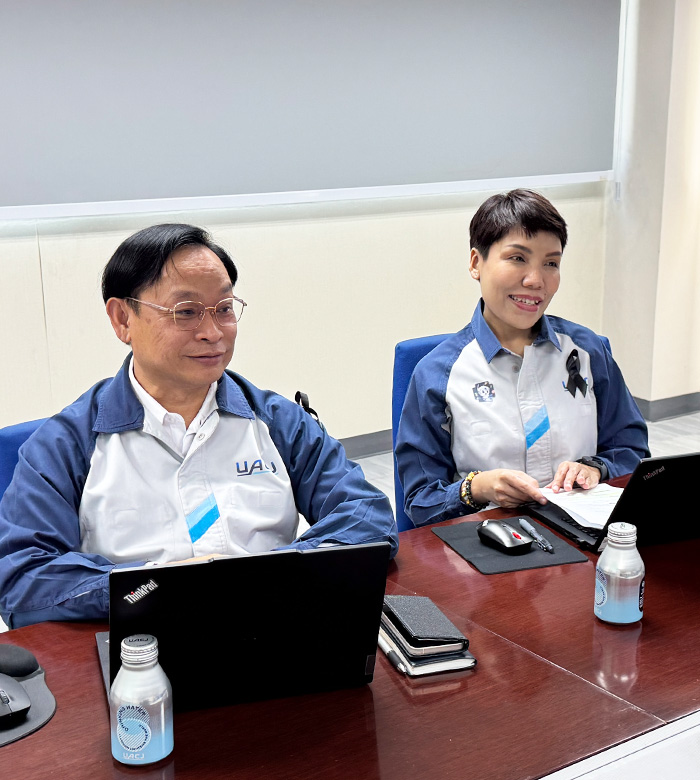
UACJ (Thailand) Co., Ltd. (UATH) – Teerapun Pimtong (“Boy”), Deputy Director, Bangkok Office

Featuring
UACJ (Thailand) Co., Ltd. (UATH) – Janya Thanaisawan (“Jeena”), General Affairs Manager

Interviewer
UACJ – Reina Tsujiue
What if a used aluminum can could come back as a brand-new one—again and again? That’s the idea behind the Can to Can Closed Loop, an initiative that’s beginning to reshape how people in Thailand think about recycling. Bringing together government agencies, businesses, and organizations, the project aims to build a nationwide recycling system for aluminum cans. UACJ (Thailand) Co., Ltd. (UATH) has been actively involved since 2020, playing a key role in driving the initiative forward. In this feature, we take a closer look at how the project began—and what’s actually happening on the ground.

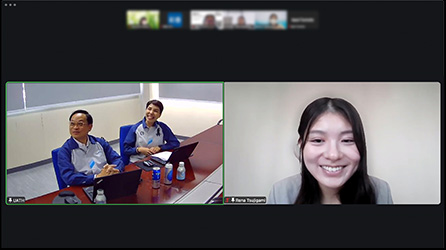
In this interview, we hear from Boy, Deputy Director of UATH’s Bangkok Office, and Jeena, General Affairs Manager. The conversation is led by Tsujiue from UACJ’s Global Sales Group. Before we get into the discussion, here’s a quick overview of what the Can to Can Closed Loop is all about.
What is the Can to Can Closed Loop?
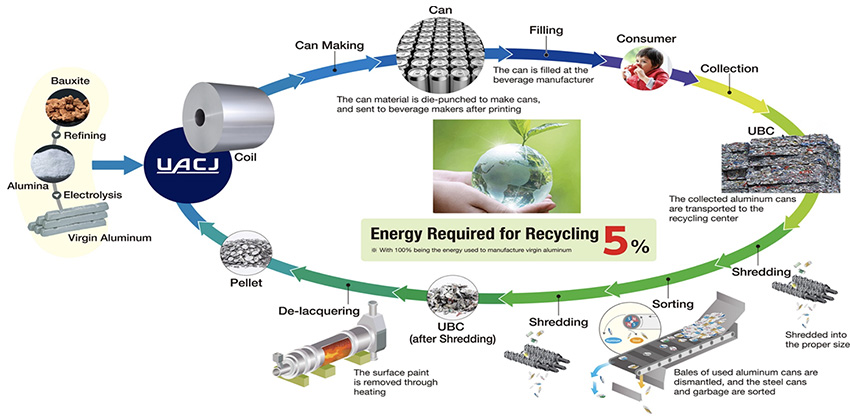
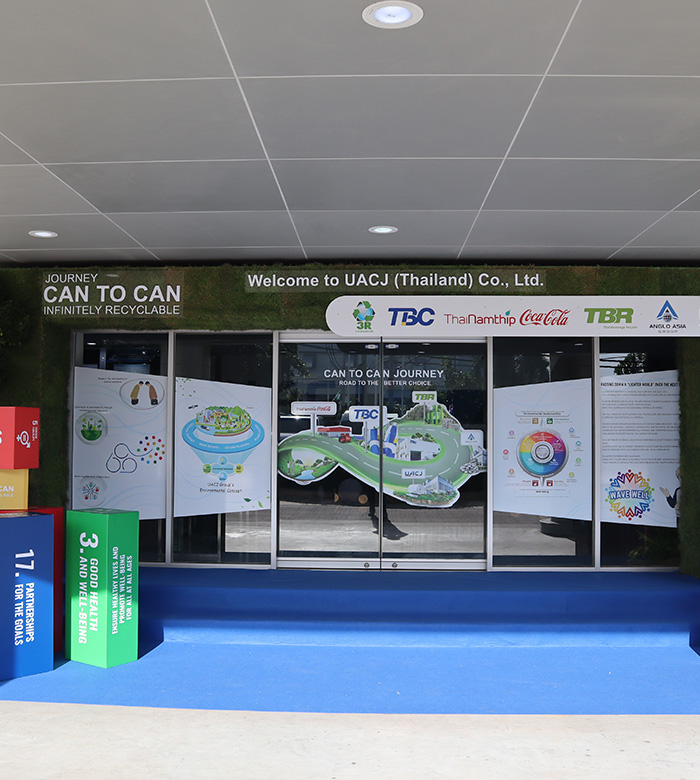
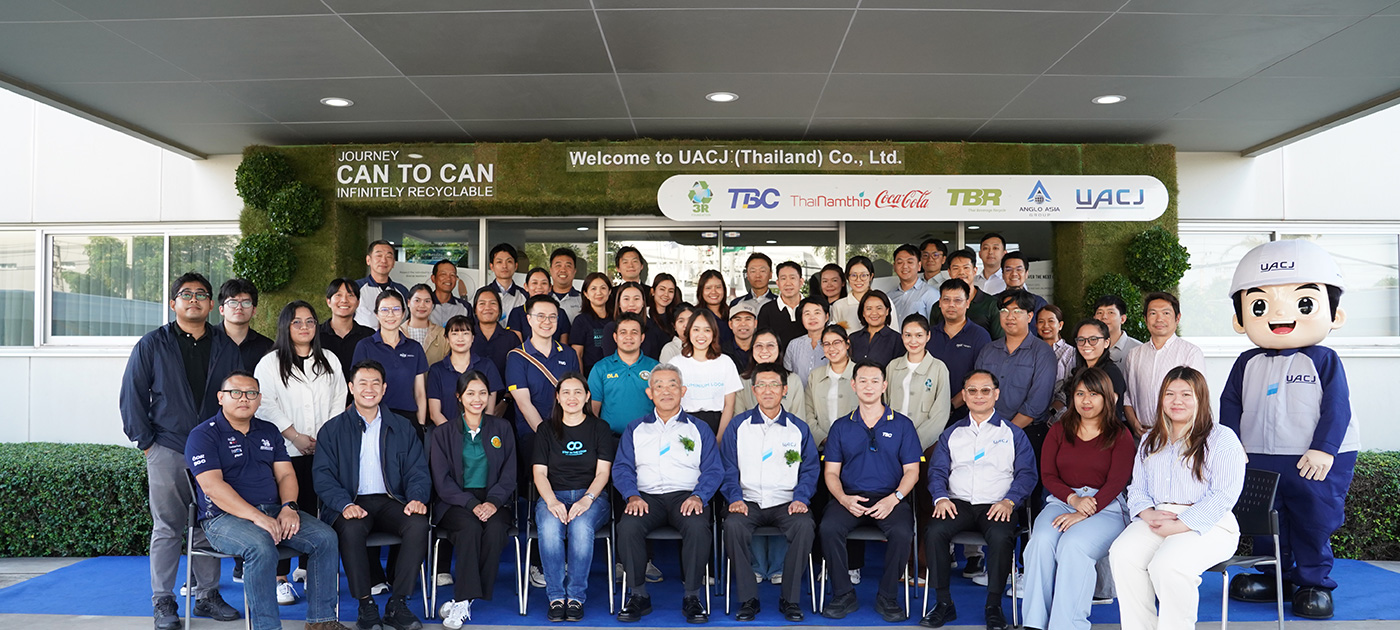
The Can to Can Closed Loop is a nationwide initiative in Thailand aimed at achieving 100% closed-loop recycling of aluminum beverage cans. It brings together government agencies, environmental organizations, and private companies to build a more sustainable recycling system. One of its key initiatives is the Can to Can Journey, an event where participants can see the recycling process up close—from collection through to reuse—by visiting the actual sites involved.
Why Is Aluminum Circularity Gaining Attention in Thailand Now?

Boy
Good question. To begin with the “why,” compared to other countries, recycling-related knowledge and awareness are still not widely established in Thailand. There is also no separation system like the one in Japan.

Tsujiue
I see.
Boy
That’s why we began to explore whether we could use aluminum circularity as a way to spread awareness about recycling in Thailand. Aluminum is a sustainable material with low environmental impact when recycled, and the Thai government is placing greater emphasis on improving environmental awareness across the country—so aluminum has attracted attention.

Jeena
UATH has an annual production capacity of 320,000 tons of aluminum and also has a closed-loop system that allows us to produce recycled aluminum from used beverage cans (UBC). As a company leading aluminum circularity, we saw participation in this initiative as essential and joined from the very beginning.
Tsujiue
That’s quite a big vision—aluminum changing recycling and environmental awareness on a national level.
Boy
Yes. We call this aluminum circularity initiative the “Can to Can Closed Loop.” Of course, a closed loop cannot be achieved by a single company alone, so we are collaborating with government agencies and industry partners.
Tsujiue
I understand.
Boy
Here are the main activities conducted over the five years of the project, from 2020 to 2025:
November 2020:
Can to Can Journey Event (1st and 2nd)
November 2020:
Signing of the BIG MOU (multi-stakeholder memorandum of understanding)
November 2021:
Signing of the SMALL MOU (industry-specific memorandum of understanding)
July 2022:
Can to Can Journey Event (3rd)
July 2024:
Can to Can Journey Event (4th)
October 2025:
Signing of the new BIG MOU Can to Can Journey Event (5th) scheduled
Can to Can Journey Event (1st and 2nd)
November 2020:
Signing of the BIG MOU (multi-stakeholder memorandum of understanding)
November 2021:
Signing of the SMALL MOU (industry-specific memorandum of understanding)
July 2022:
Can to Can Journey Event (3rd)
July 2024:
Can to Can Journey Event (4th)
October 2025:
Signing of the new BIG MOU Can to Can Journey Event (5th) scheduled
Tsujiue
That’s a lot of initiatives. Please tell me more about each one later!

What Kind of Collaboration Is Involved?
Boy
Mainly, government agencies in Thailand, aluminum material producers like UATH, can manufacturers, and brand owners that sell beverages participate in this project.
Tsujiue
And as a concrete form of collaboration, you signed an MOU (*2), correct?
*2:Memorandum of Understanding (basic agreement)
Boy
Yes. To further promote recycling, we first worked on building a “framework” for collaboration. This led to the signing of the BIG MOU in November 2020.
Tsujiue
What was the objective of this agreement?
Boy
It had two main objectives: promoting the recycling of aluminum beverage cans and advancing a circular economy. Seven parties signed the agreement, including government agencies (such as the Ministry of Natural Resources and Environment), environmental organizations, private companies, universities, and UATH.
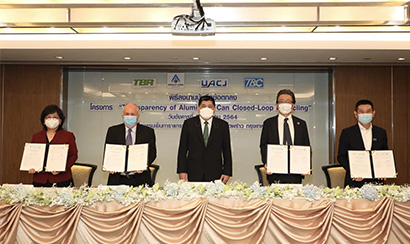
Source : MOU “Transparency of Aluminium Can Closed-Loop Recycling” |
Aluminium Loop project official website
Aluminium Loop project official website
Tsujiue
So it’s not just companies involved in aluminum, but also educational institutions and environmental NGOs. It really shows how large-scale this project is.
What Role Does UATH Play in This Project?
Boy
To put it bluntly, it’s no exaggeration to say that the Can to Can Closed Loop could not function without UATH.
Tsujiue
Why is that?
Boy
UATH maintains an annual production capacity of 320,000 tons of aluminum and also has a recycling system that produces recycled aluminum from UBC. As a company that leads aluminum circularity, we recognize that we have a major responsibility to society.
Tsujiue
That’s truly the core of the Can to Can Closed Loop. And after the BIG MOU, you also signed the SMALL MOU in 2021. How does that collaboration work?
Boy
The SMALL MOU is a partnership designed to translate the BIG MOU into more concrete actions. Four companies participate, including UATH, a major Thai can manufacturer, and beverage and packaging manufacturers.
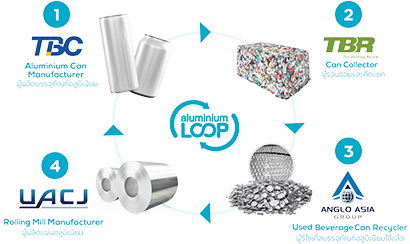
Source : Closed Loop Recycling System |
Aluminium Loop project official website
Aluminium Loop project official website
Jeena
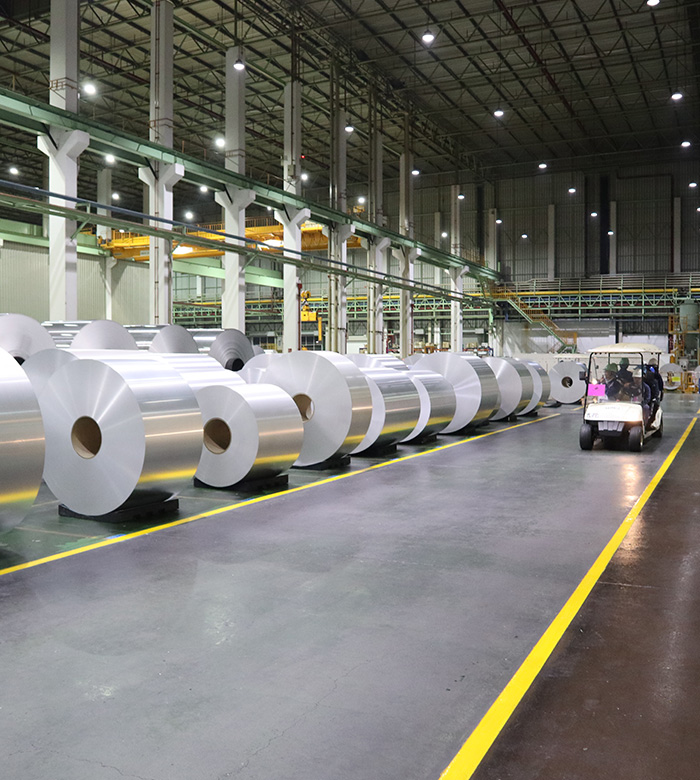
Under the SMALL MOU, a specific target was set—to collect and recycle 100 tons of UBC per month.
Tsujiue
That’s quite a concrete target.
Jeena
In the first year, the annual target was 6,000 tons, while the actual result was 9,000 tons—far exceeding expectations.
Tsujiue
Achieving that in the very first year is remarkable!
Tell Us About Some of the Concrete Initiatives.
Boy
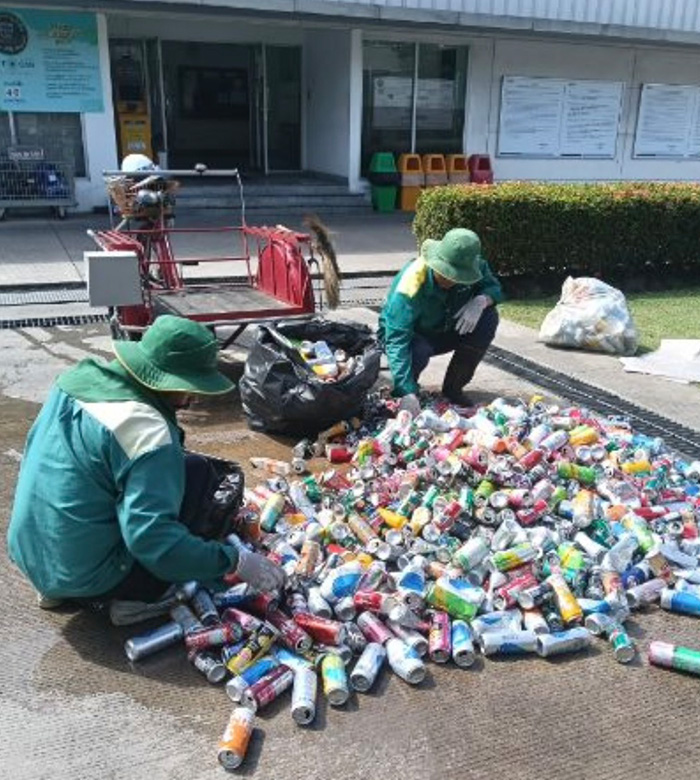
Broadly speaking, there are two categories—external initiatives and internal initiatives at UATH. One of our external initiatives is a packaging waste management project on Tao Island.
Tsujiue
On an island?
Jeena
Yes. Tao Island is small, but it is one of the world’s most popular tourist destinations. Because there is a constant inflow and outflow of tourists, the island has faced challenges with waste generation and disposal. For that reason, it became a model district for collection and resource recovery.
Tsujiue
I’ve often seen news reports in Japan about tourist destinations struggling with waste issues as well. So what exactly did you do there?
Jeena
We worked on replacing glass bottles—mainly used for beer and beverages sold on the island—with aluminum cans.
Tsujiue
That sounds like a very patient, step-by-step effort…
Jeena
It may sound small, but the impact was huge. The project began in September 2023, and by November the amount of glass waste had decreased from an average of 5 tons per day to only 1 ton.
Tsujiue
What—just two months?
Boy
And not only that. The shift toward aluminum led to a 50–60% reduction in overall waste on the island.
Tsujiue
Why does switching to aluminum lead to such large waste reductions?
Boy
Glass bottles are heavier and have a lower unit value than aluminum cans. Aluminum, on the other hand, is lightweight and has a higher unit value. Because glass is difficult and costly to collect and transport, the recovery rate remains low. With aluminum, however, the higher recovery rate helped reduce waste across the island.
Tsujiue
I see. Reducing waste also contributes to environmental improvement.
What Is the “Can to Can Journey” Event That Introduces Aluminum Circularity?
Boy
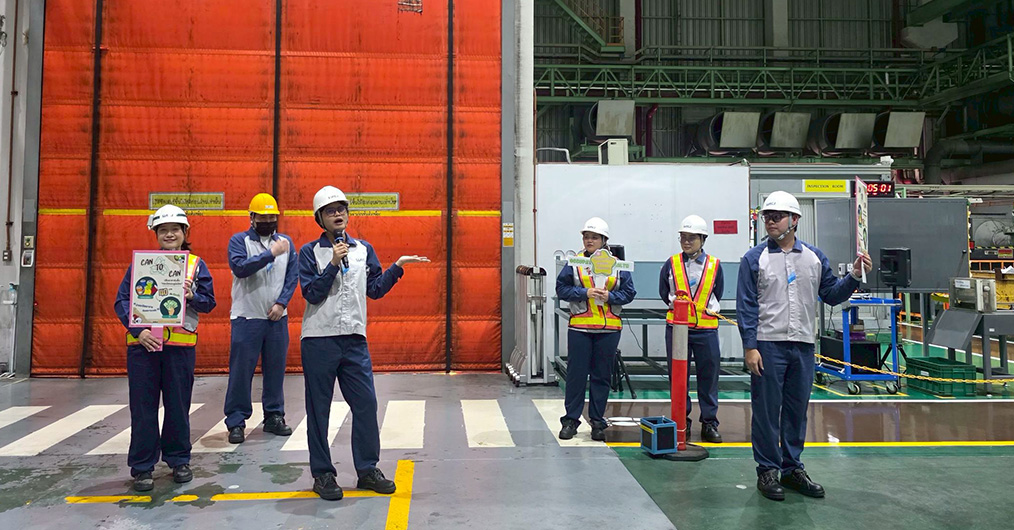
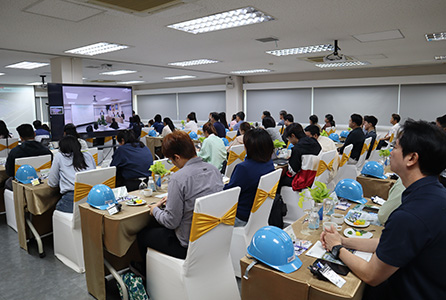
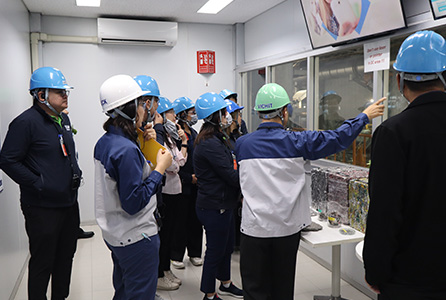
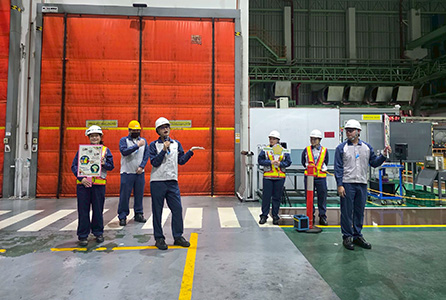
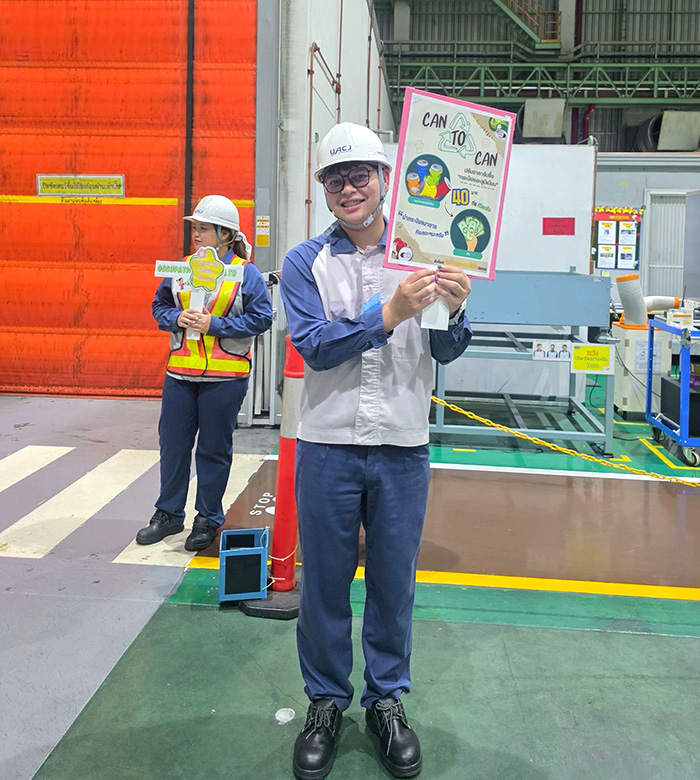
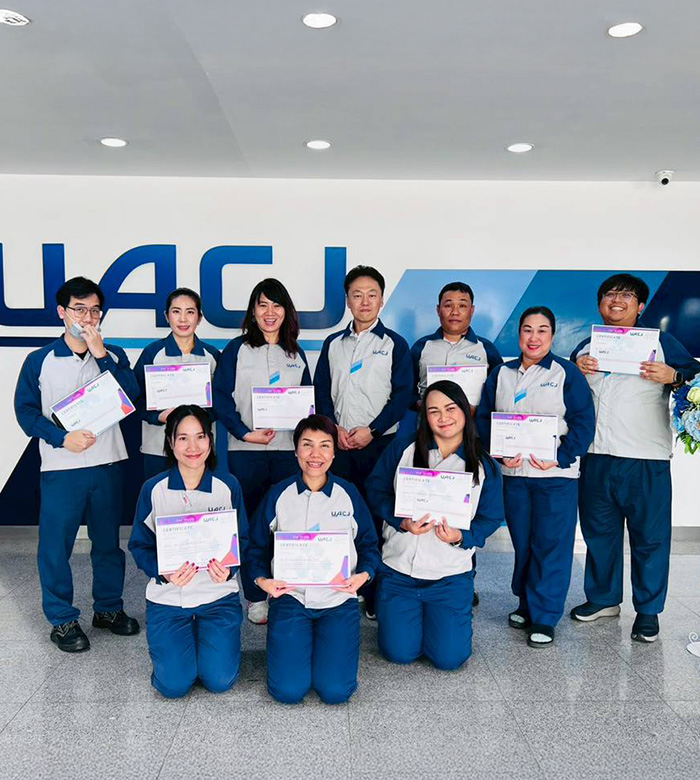
This is the second external initiative, following the Tao Island project we mentioned earlier. It is an event that allows participants to visit actual recycling-related sites—including factories—along the value chain of aluminum collection and recycling.
Jeena
The purpose is to help government agencies and industry stakeholders better understand the Can to Can Closed Loop initiative.
Boy
We mainly invite government officials, universities, and UATH customers. The first event was held in 2020, and it has been held regularly since then. The sixth event will take place in 2025.
Tsujiue
What do participants see at UATH?
Jeena
We show them the facilities and processes involved in aluminum recycling. During the tour, we explain how UBC is transformed into new aluminum.
Tsujiue
I also feel that helping customers understand aluminum as a sustainable material—including the entire system behind it—is not easy. Being able to bring them to the actual sites is a very effective approach.
Boy
We view this activity as an investment for the future. It’s not just about recycling aluminum cans—it also contributes to environmental preservation, and from a business perspective, it functions as indirect sales. If people learn the strengths of aluminum, it may help unlock new markets.
Tsujiue
That’s remarkable—looking toward the future while also linking it to business activity. Very insightful.
What Initiatives Do You Run Within UATH?
Jeena
We’ve carried out a variety of activities so far, but the ultimate goals are to encourage employees to contribute to environmental issues, raise awareness, and get them more interested in aluminum cans—one of our own products.
Boy
The idea is to instill the mindset that simply “choosing” aluminum cans contributes to environmental improvement.
Jeena
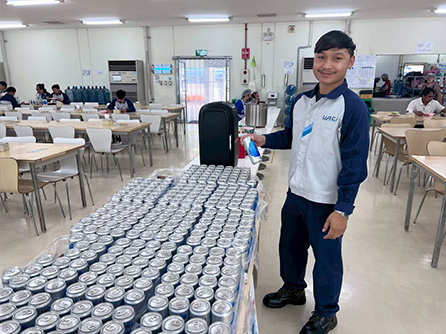
To be honest, until a few years ago, many employees at UATH mainly drank beverages sold in PET bottles. So first, we decided to replace beverages sold on-site from PET bottles and glass bottles with aluminum cans. Little by little, more employees shifted to aluminum-packaged drinks.
Tsujiue
That’s really a change in mindset.
Boy
We also worked on developing our own aluminum canned water. In collaboration with the Aluminum Industry Association, we created an original can, leading to the launch of Thailand’s first drinking water packaged in aluminum cans!
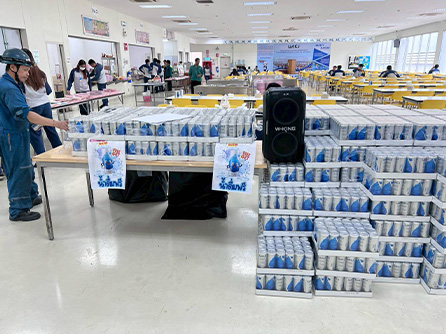
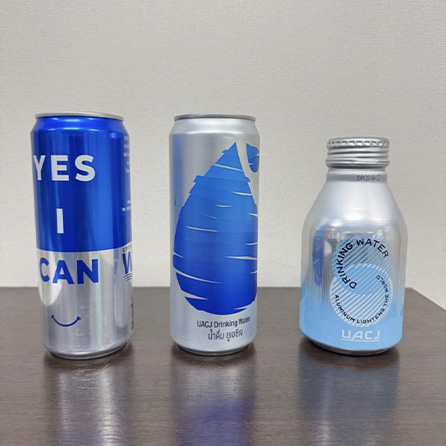
From left: 1st generation, 2nd generation, and 3rd generation. The 1st and 2nd generations were “stay-on-tab” cans, while the 3rd generation evolved into a bottle-can format using UACJ’s Uni-Alloy material.
Tsujiue
How is the aluminum canned water being used today?
Boy
We distribute it to visitors at our offices, give it out as part of our outreach activities to local communities, and donate it for disaster relief.
Tsujiue
That’s a great use of the product. Are there any other internal initiatives?
Jeena
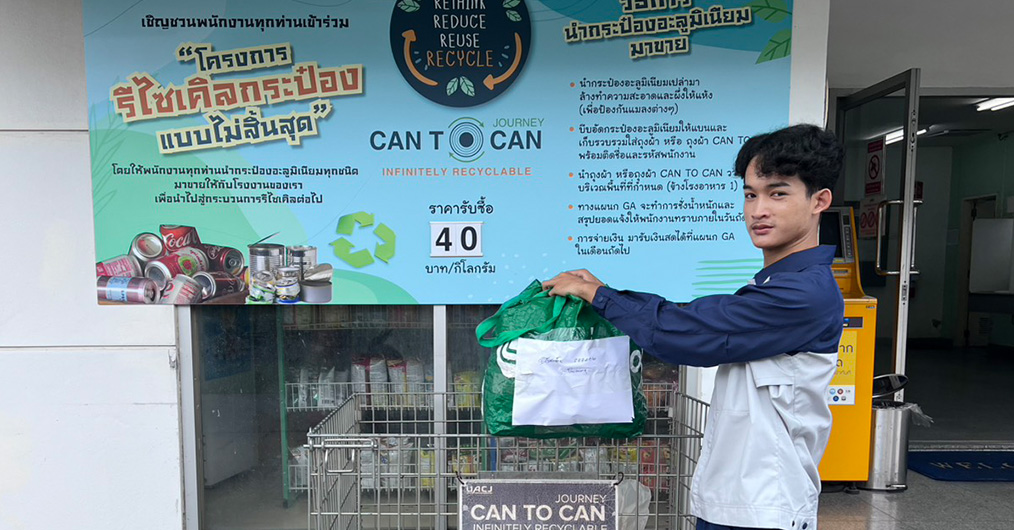
Since 2021, we’ve been running a campaign where employees bring in their used aluminum beverage cans—UBC—and UATH buys them back.
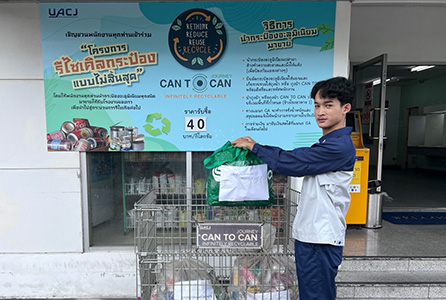
The annual collection target for the campaign is 100 kg. In the first year, approximately 60–70 kg were collected, and as of November 2025, the amount has reached nearly 100 kg.
Tsujiue
That’s such an interesting initiative. How do you encourage employees to participate?
Jeena
We actively promote the campaign internally, and we also offer incentives such as reward programs and internal recognition.
Boy
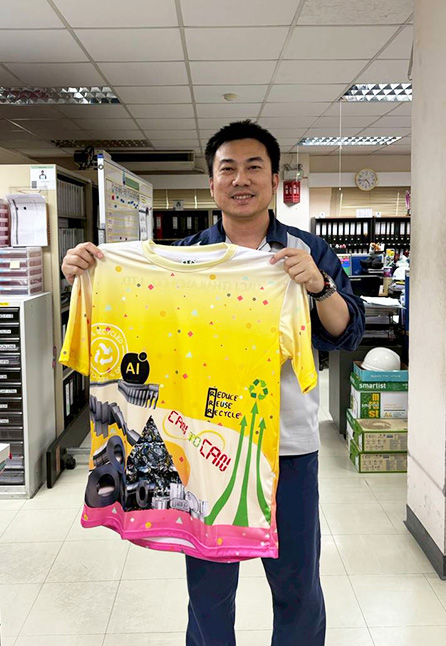
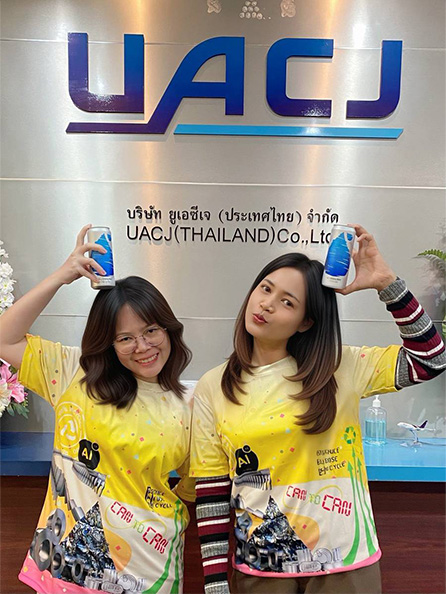
The top 10 collectors receive gifts like vouchers or original T-shirts. At my office in Bangkok, people always rank high—apparently because they “really wanted the T-shirt”!

Tsujiue
It shows that everyone is participating while having fun.
Jeena
Next time you’re in Thailand, please bring your aluminum cans! We’ll give you a T-shirt!
Tsujiue
I can participate too? That makes me happy!
What Changes Have You Seen over the Past Five Years?
Jeena
Internally, one of the biggest changes has been a growing awareness. The amount of aluminum cans collected and the number of participants in our campaigns have increased every year, and more employees are now choosing aluminum-can beverages. The sales records from our in-house shops also show a rise in aluminum-can beverage sales.
Tsujiue
That’s a clear indication of impact.
Jeena
I also think this initiative has become a source of pride for our employees. When people feel that their small personal actions contribute to the larger issue of environmental protection, it boosts their motivation.
Boy
Externally, I believe the recognition that “aluminum is good for the environment” has been spreading among government officials as well. We’ve even received comments such as “aluminum represents a best practice for the environment.”
Tsujiue
That must be encouraging — and helpful for future activities.
Boy
Absolutely. As understanding of the Closed Loop has deepened among our partners — can manufacturers and brand owners — I think it has influenced their decisions to “choose aluminum for the sake of the environment.”
Tsujiue
Linking aluminum with environmental contribution is exactly what we aim for across the UACJ Group as well.
What’s Next for the Project?
Boy
Awareness that aluminum is environmentally friendly has been spreading, but going forward, we want to go a step further — to communicate why it’s better for the environment, and how using aluminum leads to CO₂ reductions. We want people to understand it at the level of reasons and mechanisms, not just impressions.
Tsujiue
A deeper layer of engagement, then.
Jeena
On a more local level, we’d like to expand our aluminum-can collection beyond the company and into the community. For example, working with neighborhoods on collection activities or providing environmental education to children in schools.
Tsujiue
That’s wonderful — it sounds like recycling awareness will continue to grow in Thailand!
Jeena
In October 2025, a new BIG MOU was signed. The initiative has been taken to the next level based on the outcomes and data from the past five years.
Boy
The number of participating organizations increased from seven to thirteen. In addition to environmental divisions, governmental units related to pollution control and marine/coastal resources joined, and additional universities have joined from the research side.
Tsujiue
What measures are expected from the Thai government going forward?
Jeena
Based on the results and data collected over the last five years, the government plans to simulate mechanisms related to taxes, border carbon adjustments, and EPR (extended producer responsibility), with the intention of incorporating them into law.
Tsujiue
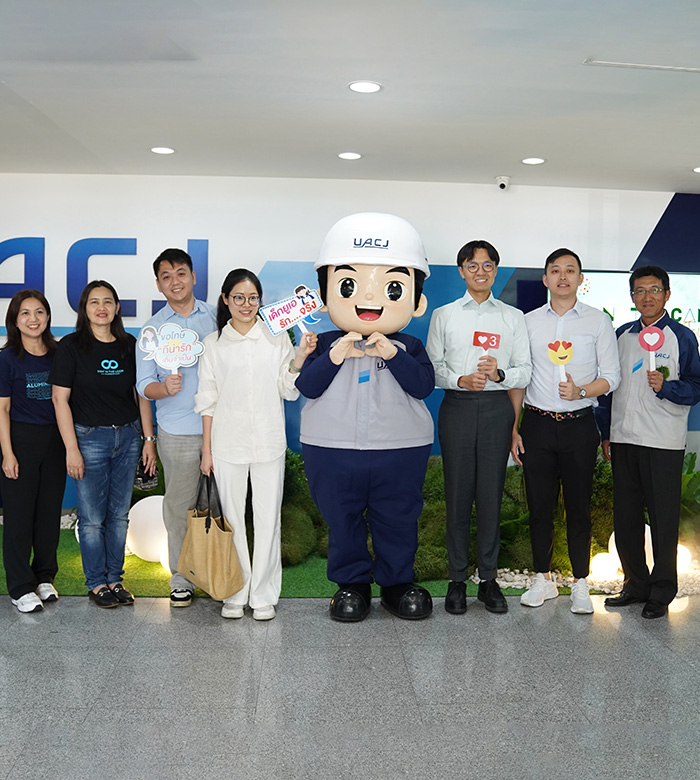
As a member of the same group, I feel genuinely proud that UATH sits at the center of this framework.
I belong to the department that sells can stock materials, and listening to your passion today gave me a valuable opportunity to learn not only about selling materials, but also about what happens beyond that. Thank you very much.
I belong to the department that sells can stock materials, and listening to your passion today gave me a valuable opportunity to learn not only about selling materials, but also about what happens beyond that. Thank you very much.
Boy
Jeena
Thank you.
UACJ (Thailand) Co., Ltd.
UACJ Group’s production base in Southeast Asia. The Rayong Works is the largest flat-rolled aluminum production plant in Southeast Asia, operating an integrated manufacturing process from melting onward and maintaining an annual supply capacity of 320,000 tons.
https://uath.uacj-group.com
https://uath.uacj-group.com
AFTER INTERVIEW
UACJ – Reina Tsujiue
Through this interview, I gained a new perspective on aluminum circularity—one that goes beyond my day-to-day work and involves collaboration across government and industry. It also gave me a chance to reflect on my role in sales. I’m proud to see that the Can to Can Closed Loop not only supports our business, but also contributes to society by reducing waste and lessening environmental impact.
Profile
I work in the Global Sales Group, exporting aluminum to customers around the world. I love what I do—and nothing makes me happier than building trust with partners across the globe.
* The information in this article was current at the time of the interview.