

TRY
Where Exchange Sparks Mutual Learning—Future Leaders from Thailand Take on Japan
Featuring
Suparod Sripim (Ton)
Manager, Hot Rolling Sectoin, Production Department
UACJ (Thailand) Co., Ltd.
Manager, Hot Rolling Sectoin, Production Department
UACJ (Thailand) Co., Ltd.
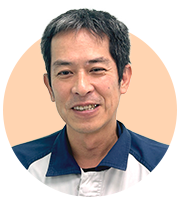
Featuring
Masateru Honda
General Manager, Production Technology Department
UACJ (Thailand) Co., Ltd.
General Manager, Production Technology Department
UACJ (Thailand) Co., Ltd.
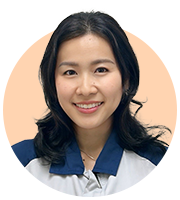
Featuring
Jantararat Ngandee (Pang)
Manager, Human Resource Development Section, Administrative Department
UACJ (Thailand) Co., Ltd.
Manager, Human Resource Development Section, Administrative Department
UACJ (Thailand) Co., Ltd.
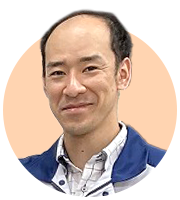
Interviewer
Takashi Muto
UACJ
UACJ
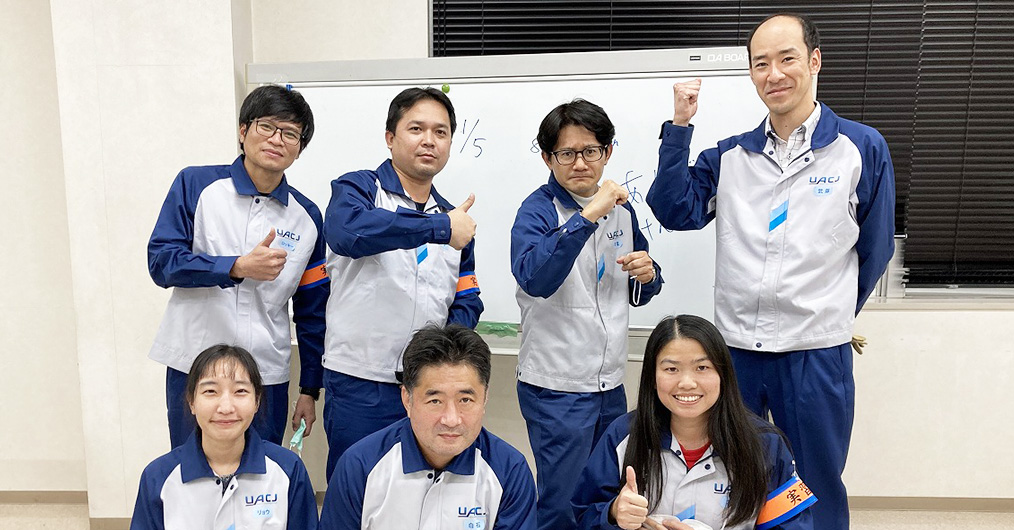
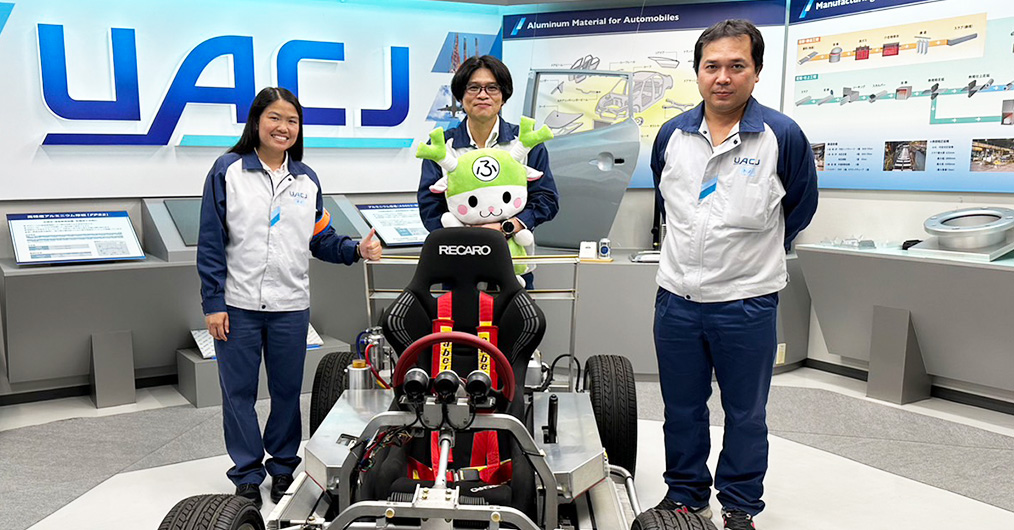
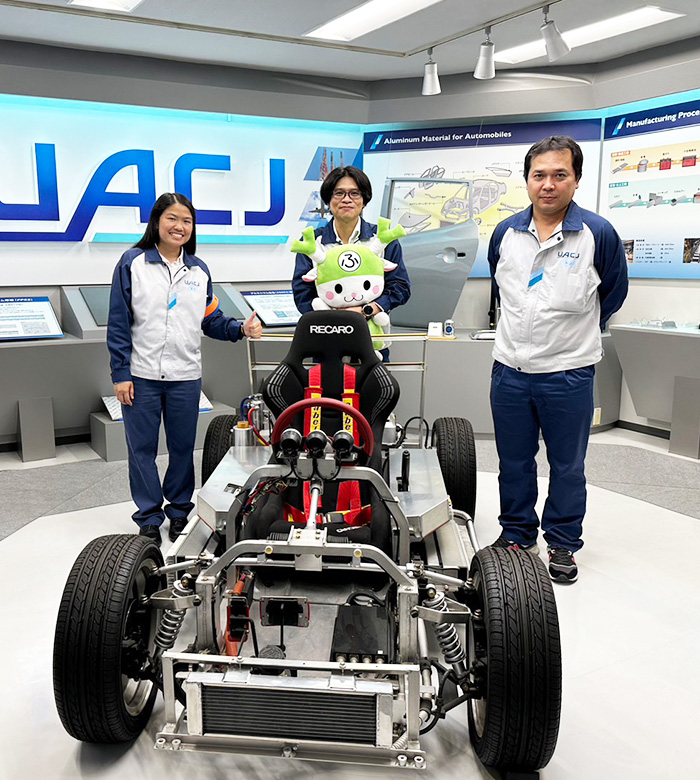
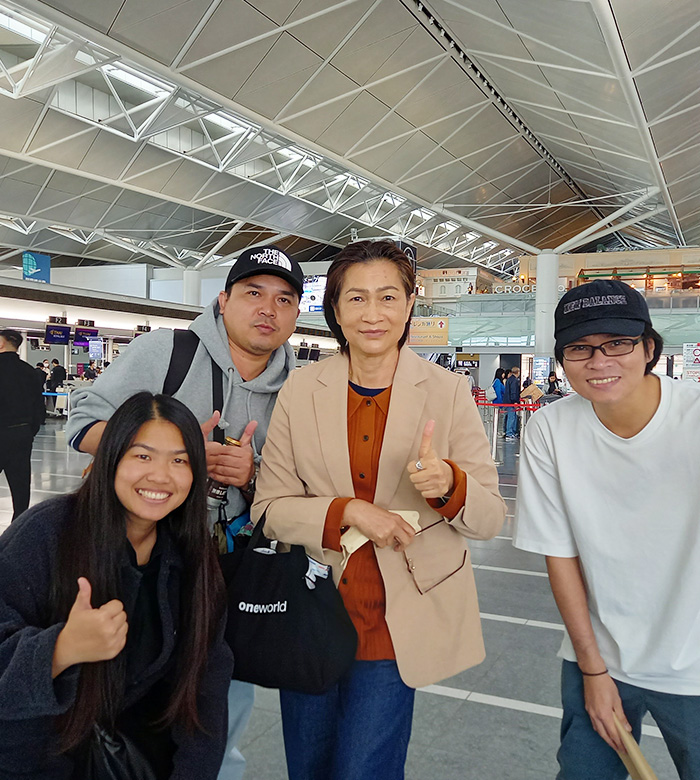
What happens when people, technology, and ambition move beyond borders? At UACJ, this kind of cross-border exchange is part of everyday life across its global operations. A powerful example of this is the “Japan Training Program,” a unique initiative connecting UACJ (Thailand) Co., Ltd. (UATH) with the company’s flagship Nagoya Works in Japan. Each year, future leaders from Thailand spend 12 months on the ground in Japan—immersed in real manufacturing environments, challenged by new languages and cultures, and exposed to a completely different way of working. What do they discover along the way? And how does the experience shape the future of those involved? Takashi Muto from HR at Nagoya Works sits down with those who have experienced the program firsthand.

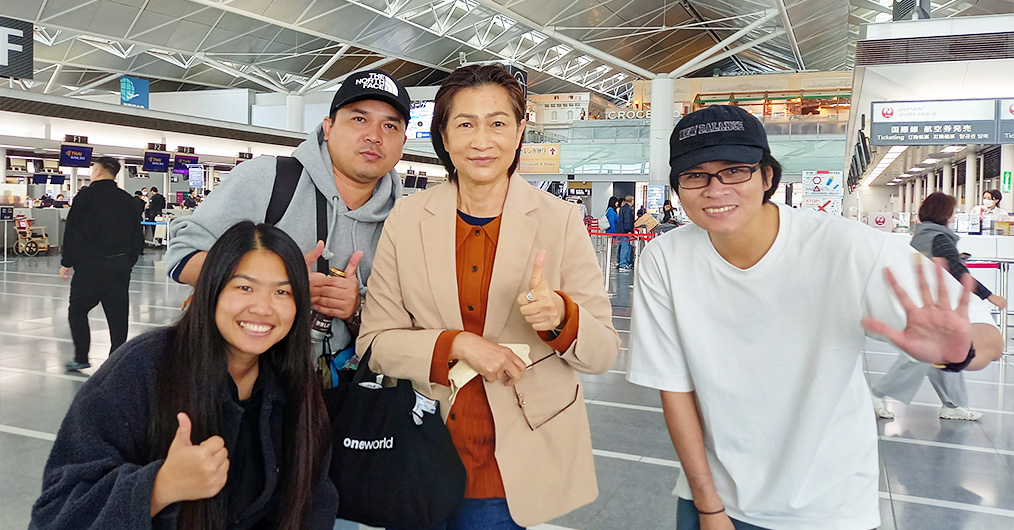
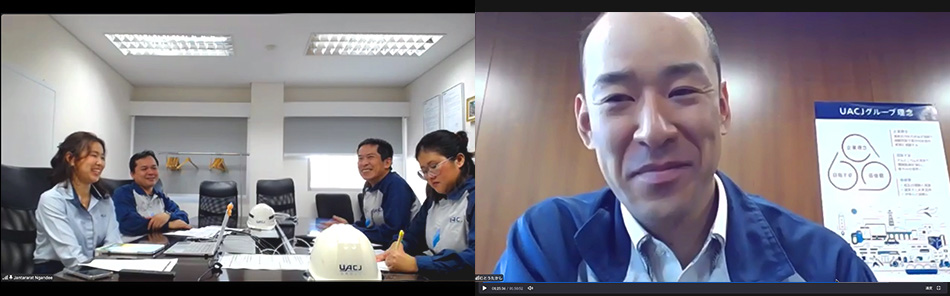
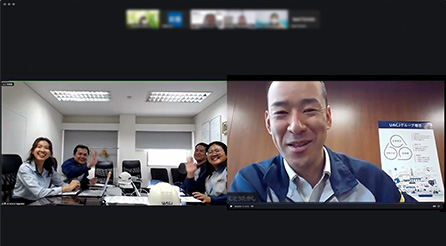
Joining the conversation are Tono from UATH, who took part in the program, and Pang from the Human Resource Development team in Thailand, who supports the program locally. They are joined by Honda, who mentored Tono at Nagoya Works, together with Muto from HR. Reunited online after some time apart, the group looks back on their experience together.
What Is the Training Program That Connects Japan and Thailand?

Ton
It’s a one-year program where employees from UATH’s manufacturing sites are sent to Nagoya Works—one of UACJ’s core manufacturing plants in Japan. There, we learn both the technical and managerial sides of operations, build relationships with colleagues in Japan, and study the Japanese language.

Pang
The program was launched in 2022, and its primary goal is to develop talent who will become future managers at UATH.

Muto
I’ve been part of the HR team at Nagoya Works since the program began, on the receiving side. Ton, you were in the very first group, right?
Ton
Yes, I was part of the first group and spent a full year in Japan, from November 2022 to November 2023.
Muto
And Mr. Honda, you were also at Nagoya Works back then, but now you’re based in Thailand with UATH.
Honda
That’s right. At the time, I was the plant manager of the hot rolling plant at Nagoya Works and was responsible for Ton’s training. After that, I relocated to UATH’s Rayong Works, where I now oversee the Production Technology Department.
Muto
It’s a true exchange of people.
What Is the Purpose of the Program?
Pang
Actually, we had a similar “Japan Training Program” back in 2014. At that time, UATH was still in its startup phase, so the main objective was to learn how operations were run in Japan. The purpose today is quite different.
Muto
So, after nearly a decade, the program was relaunched with a new mission.
Pang
Exactly. Right now, UATH is focused on advancing localization, and this program plays a key role as part of that effort.
Muto
What does “localization” mean in this context?
Honda
It’s about moving toward a structure where operations at UATH are managed by local Thai leaders. At the moment, many management roles are currently held by employees assigned from UACJ in Japan. But by strengthening locally rooted management, we aim to create a more stable and sustainable operation in Thailand.
Muto
So it’s essentially laying the foundation for UATH’s long-term business strategy.
Honda
Exactly. From the perspective of the host site, we also approached the program with the hope that we could share insights and knowledge that would support localization efforts within the Rayong Works. That said, it was a learning process for us as well—we were figuring things out as we went.
Muto
Absolutely. We’d hosted short-term trainees before, but a full year was a first for us. There was some uncertainty about how to build the program, but at the same time, it was an exciting new challenge.
Chosen for the Very First Group—What Was It Like to Take Part in the Japan Training Program?
Ton
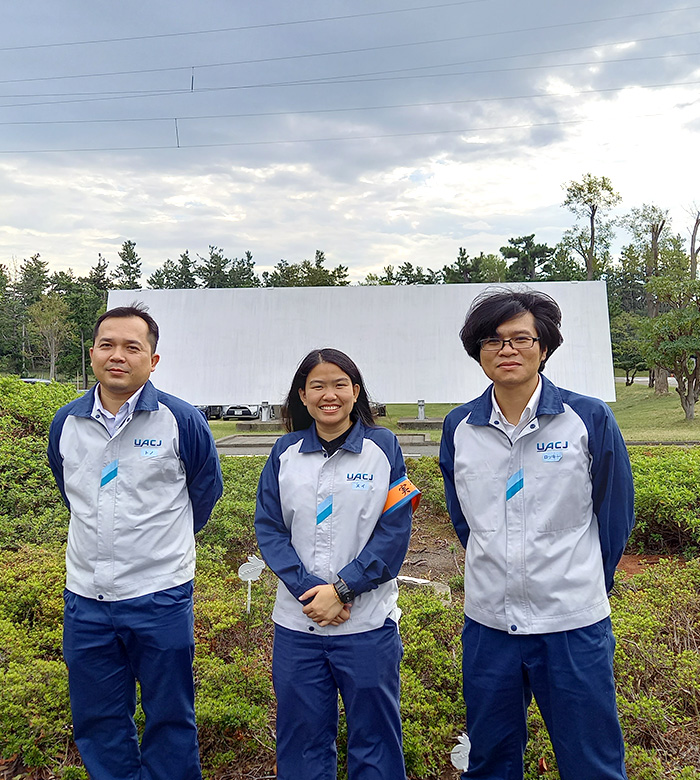
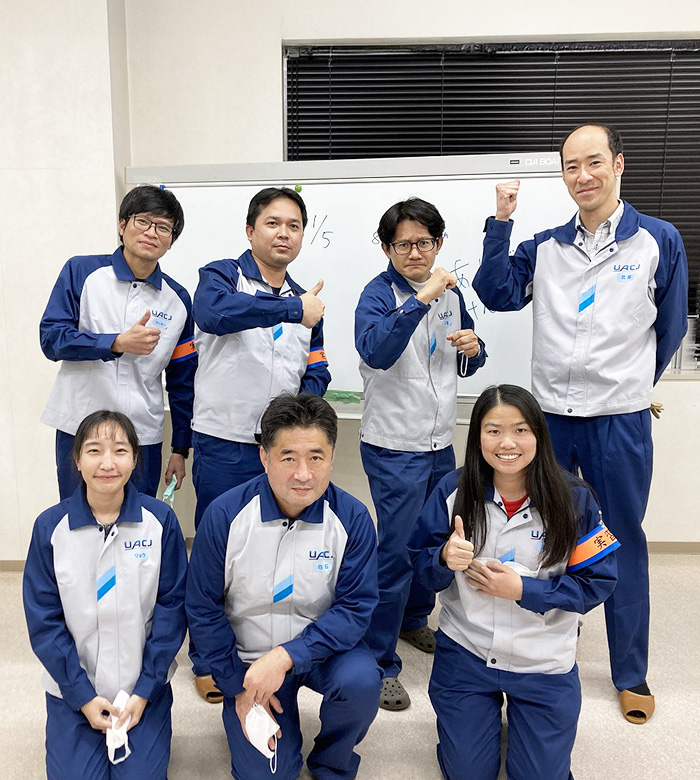
Being chosen for the first group? I’m not sure I’d put it that way (laughs). But when I was asked if I’d be interested in going, I felt it would be a valuable experience for my career, so I decided to take on the challenge.
Pang
Among UATH’s management team, there was strong support for recommending Ton as someone with strong management potential. He had previously participated in short-term training programs at the Fukui and Nagoya Works, so we felt he would be able to build strong relationships with colleagues in Japan as well—that was another reason behind the recommendation.
Muto
Sounds like a big opportunity to me after all (laughs).
Ton
(laughs)
Honda
He’s incredibly sincere. He approaches his work with dedication, and he’s just a great person to be around. He quickly built good relationships with the team members in Nagoya.
Ton
That’s thanks to everyone’s support. Of course, there was a language barrier, but I received a lot of help along the way. That made it much easier for me to settle in.
Muto
That reminds me of a story that really shows Ton’s personality.
Pang
Oh? What happened?
Muto
One summer during the program, the air conditioner in his dorm room suddenly broke. He contacted me, and I rushed over right away. I thought, “In this heat, he must be really frustrated…” But when I got there, Ton just greeted me at the door with a smile and said, “Looks like the AC broke” (laughs).
Pang
That sounds just like Ton!
Muto
That’s when I realized—his easygoing nature is exactly why he gets along so well with everyone at the plant. It made me realize there was something I could learn from his attitude as well.
What Does the Training Actually Involve?
Ton
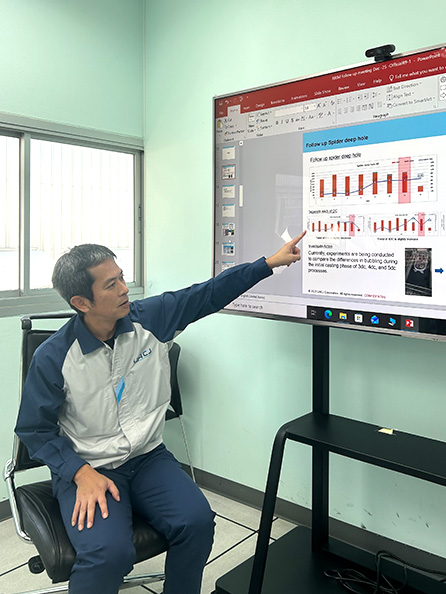
A typical day would start with a morning meeting at 7:30, followed by training on the factory floor. We’d review materials and learn about production processes and management practices. In the afternoon, I’d go back to the floor or sometimes sit in on meetings.
Muto
So it was very much a hands-on learning experience, embedded in the day-to-day work.
Ton
Exactly. Since the goal was to develop management skills, I also had the chance to learn directly from Mr. Honda.
Honda
We tried to involve Ton in management meetings whenever possible, so he could understand their purpose, the perspectives being discussed, and how decisions were made.
Ton
In between, I also took Japanese language classes. I had studied basic conversation in Thailand before coming to Japan, but it was still quite challenging (laughs). Balancing work and study was pretty demanding.
Muto
I remember how hard you were studying, even with your busy schedule.
Honda
What did you do on your days off?
Ton
I spent a lot of time exploring Nagoya—walking around the city so much that I feel like I walked almost every street in the city (laughs). I also went to watch a Nagoya Grampus soccer match when I heard a Thai player would be playing. It’s one of my favorite memories from the program.
Pang
Experiencing a different culture is one of the best parts of a program like this. I’m honestly a little jealous—you really made the most of it!
What Differences Between Thailand and Japan Stood Out to You During the Training?
Ton
What surprised me the most was the atmosphere at work. In Japan, the manufacturing floor feels very disciplined—people are serious and fully focused on their work.
Muto
What’s the atmosphere like in Thailand?
Ton
It’s more relaxed. There’s a lot more smiling and casual conversation.
Honda
That was something that surprised me as well when I came to Thailand. It’s probably rooted in cultural differences, but communication here is very active—not just at work, but in everyday life too.
Muto
That’s a significant difference.
Ton
Another thing I noticed is that in Japan, there’s a strong sense of mutual respect and teamwork, along with a real culture of collaboration. The coordination between departments is especially strong, and I felt that was a key part of how work gets done successfully.
Muto
How about from a management perspective?
Ton
Japanese plants tend to have more experienced staff, so there’s a strong foundation in training and development. I could see that mentorship and guidance from supervisors and senior colleagues were deeply rooted in the workplace culture.
How Has the Program Been Improved Over Time?
Honda
We made improvements step by step, listening carefully to feedback from Ton.
Muto
What specific changes did you make?
Ton
The language barrier was definitely a big challenge. Even when I wanted to learn more about technical topics, I sometimes struggled because of my Japanese, so I shared that feedback.
Honda
Based on that, from the second group onward, we began providing training materials translated into Thai, so that participants could better understand the content and communicate more smoothly.
Muto
Another big change from the second group was allowing trainees’ families to visit Japan, right?
Pang
Yes. Since the program lasts a full year, it’s important to support participants emotionally as well. Homesickness can affect motivation, so based on feedback from Ton’s experience, we introduced this new system starting with the second group.
Ton
Because of visa restrictions, trainees aren’t able to return to Thailand during the program. So having family come to Japan instead is a great idea. The company even arranges flights and accommodation, and trainees can also take some time off to recharge.
Muto
That’s great.
Pang
By maintaining close collaboration between Japan and Thailand, we’ve been able to continuously improve the program, and it has continued successfully beyond the second group. We’re very grateful for that.
How Are You Applying What You Learned in Japan?
Ton
As soon as I returned, I shared what I had learned about management and organizational structure with my team. For example, we clarified roles and responsibilities more clearly—defining what managers, assistant managers, plant managers, and team leaders are each accountable for.
Muto
I see.
Ton
At the Rayong Works, roles had been somewhat unclear before, so that was the first thing I wanted to improve. We also worked on making operational performance more visible and strengthening safety measures.
Muto
What kinds of practices have you introduced locally in Thailand?
Ton
We introduced regular floor patrols carried out by both day- and night-shift supervisors, while also strengthening on-site safety procedures.
Pang
From my perspective, after the training, Ton has really grown into his role as a manager. He seems more composed and level-headed.
Ton
Do you think so?
Pang
Absolutely! He’s also taken the initiative in driving improvement activities and enhancing how the team works, which has been a huge help.
Honda
And now he’s playing an active role as a manager at the plant. It’s clear that what he learned in Japan is really making a difference.
What Insights or Lessons Did You Gain From the Host Side?
Honda
Since the goal was to help participants develop management skills, we initially had to figure out the best way to teach that. It involved a lot of trial and error. But as we had Ton join meetings and observe different situations, there were many moments that made us reflect as well.
Muto
Can you give an example?
Honda
After one meeting, Ton asked me, “What’s the purpose of that meeting?” And all I could say was, “Well… we’ve always done it that way.” That moment made me realize that over the years, I had come to take certain practices for granted and had become too fixed in my thinking.
Muto
From the Japan side, it’s easy to see ourselves as simply “the host,” and assume the flow of learning is one-way. But that’s not really the case. By welcoming trainees, we also gain new perspectives. This program is very much a two-way exchange. That’s something I’ve come to realize as well.
Pang
I’m really glad to hear you say that.
Muto
From an HR perspective, we want to make this a program that people in Thailand genuinely aspire to join. We hope participants will share what they’ve learned and experienced in Japan—what’s valuable, what’s exciting—with the next generation, so the program can continue to inspire future participants.
Honda
To make that happen, I believe our company philosophy of “mutual understanding and respect” is essential. In particular, building genuine mutual understanding between Japanese and international employees remains a major challenge. How deeply we can understand and respect one another will be key moving forward.
Ton
As a member of the inaugural group, I gained so much from this experience. I truly hope this program continues for future generations.
Muto
Thank you. Let’s keep strengthening the collaboration between Japan and Thailand moving forward.
UACJ (Thailand) Co., Ltd.
UACJ Group’s production base in Southeast Asia. The Rayong Works is the largest flat-rolled aluminum production plant in Southeast Asia, operating an integrated manufacturing process from melting onward and maintaining an annual supply capacity of 320,000 tons.
https://uath.uacj-group.com
https://uath.uacj-group.com
AFTER INTERVIEW
Takashi Muto, UACJ
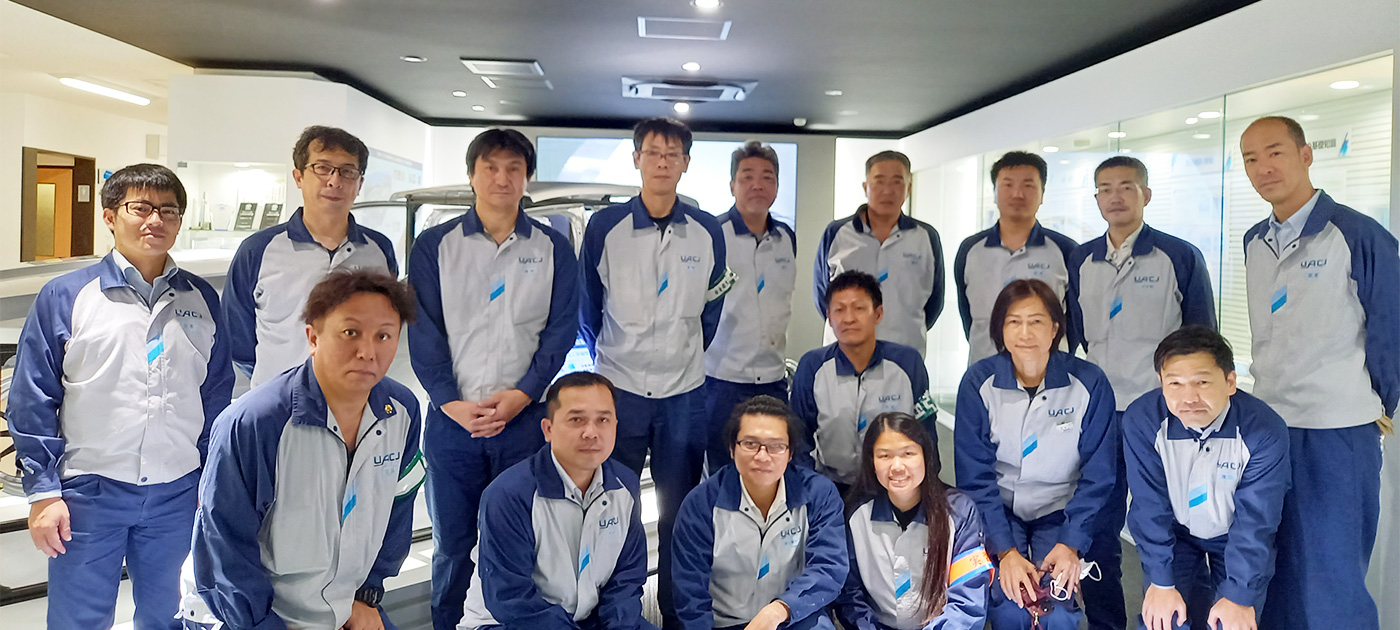
I believe this training program between Nagoya Works—one of UACJ Group’s core manufacturing sites—and UATH plays an important role in strengthening the company globally. I’m proud to have been involved since the early stages of the program. Looking ahead, I hope to continue supporting its growth so that even more people in Thailand will feel inspired to take part in the experience themselves.
Profile
Since joining the company, I’ve spent most of my career in on-site HR, working closely with frontline teams and staying responsive to their needs. My goal? To stay as light and agile as the material we work with every day—aluminum.
* The information in this article was current at the time of the interview.