

RESEARCH
Creating New Connections and Possibilities through Sustainability Vol. 2
Mitsubishi Estate Hotels & Resorts × UACJ
Exploring Sustainability through Local Resource Circularity
Mitsubishi Estate Hotels & Resorts × UACJ
Exploring Sustainability through Local Resource Circularity

Featuring
Yasutoshi Shimizu
General Manager, The Royal Park Hotel ICONIC Nagoya
General Manager, The Royal Park Hotel ICONIC Nagoya

Interviewer
Taichi Suzuki,
UACJ Corporation
UACJ Corporation
In Creating New Connections and Possibilities through Sustainability, UACJ explores ideas for a more sustainable future by bringing together insights from different industries. For this second installment, we visited Mitsubishi Estate Hotels & Resorts, which operates a diverse portfolio of hotel brands across Japan.
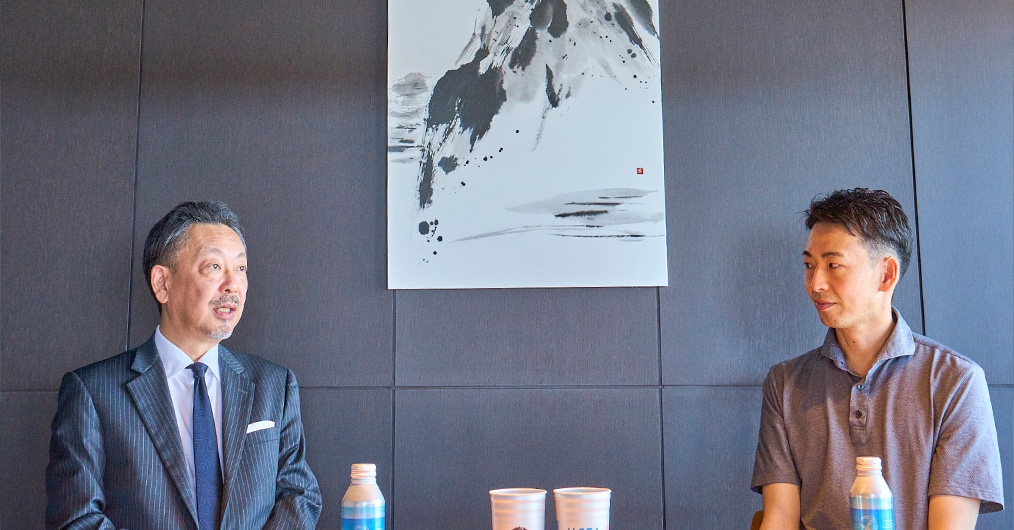
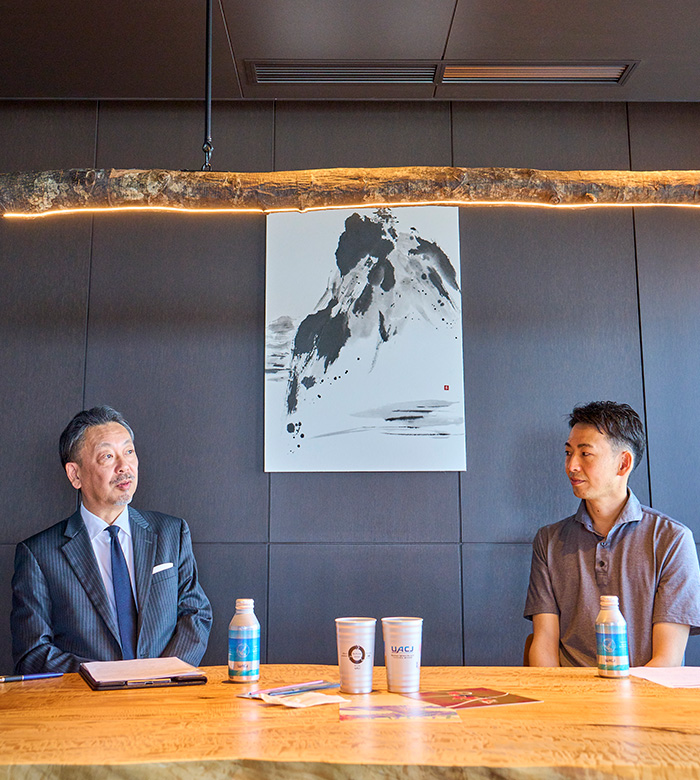
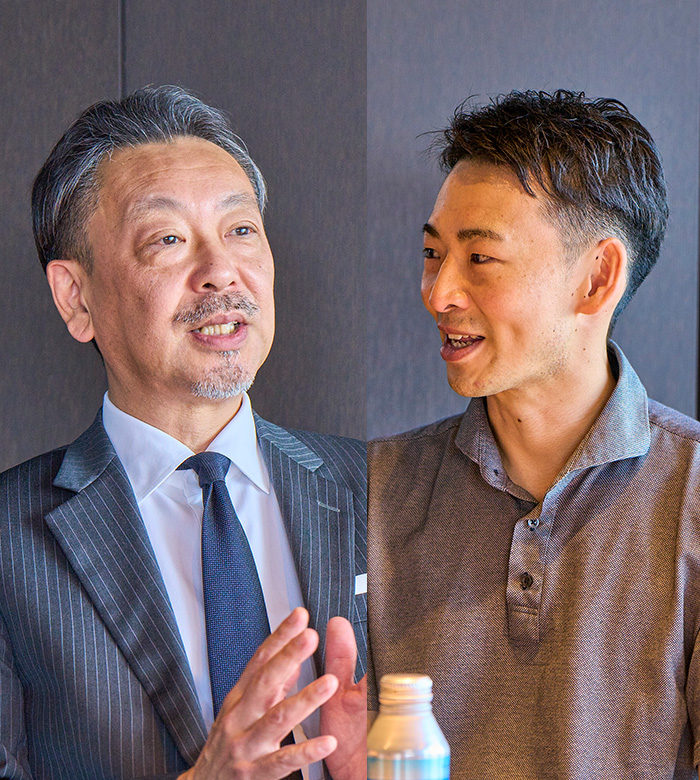
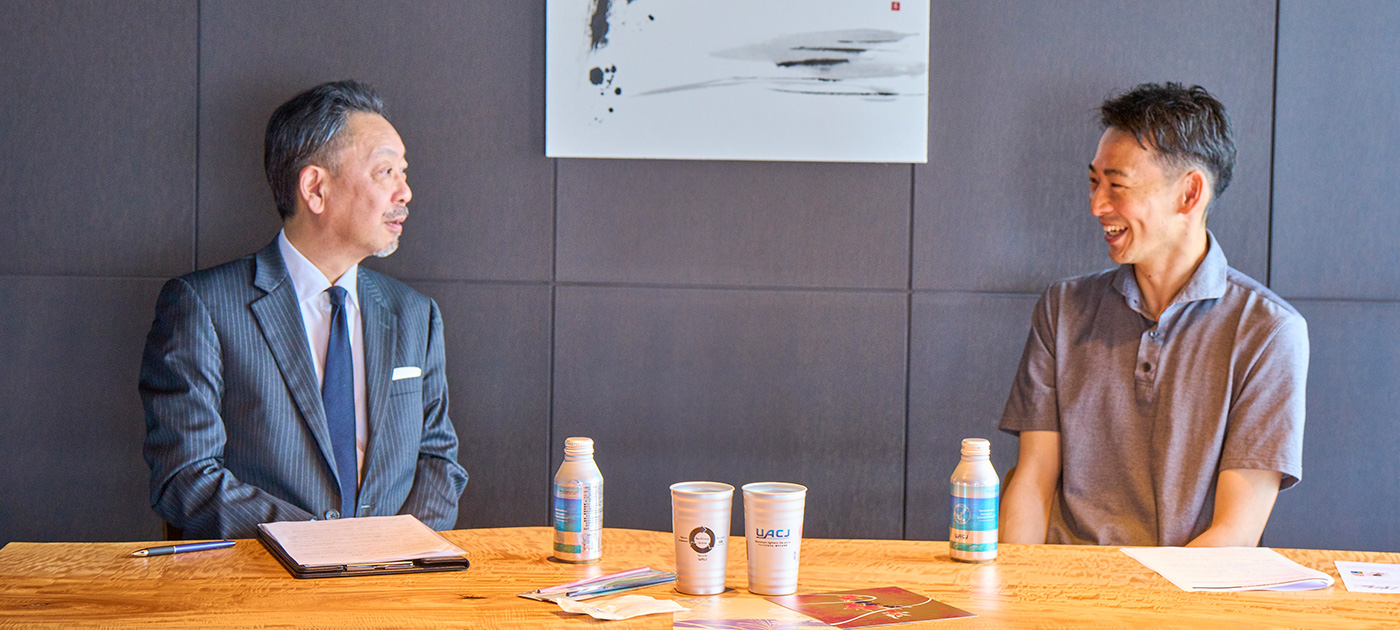
Joining us is Yasutoshi Shimizu, General Manager of The Royal Park Hotel ICONIC Nagoya, which opened in 2024. Together with Taichi Suzuki from UACJ, he discusses how hospitality and sustainability intersect to spark new sustainability initiatives.

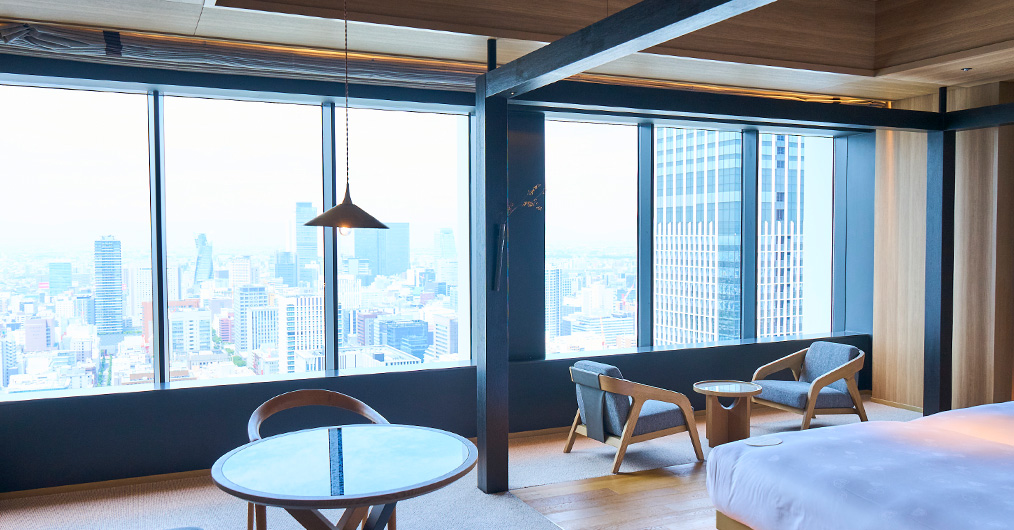
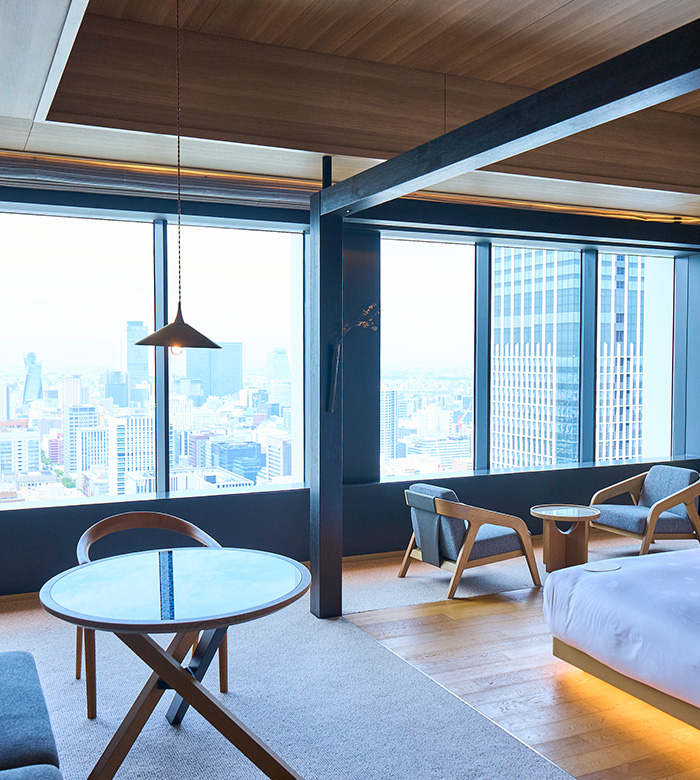
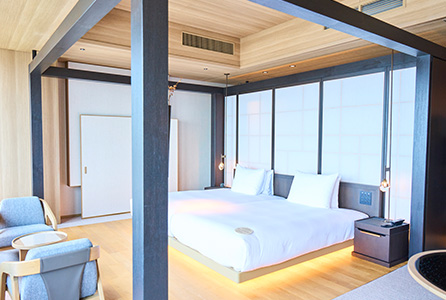
Before the conversation, Suzuki toured the hotel's thoughtfully designed guest rooms and elegant tea lounge. While taking in sweeping views of the Nagoya skyline, he sat down with Shimizu to hear his story.
Tell Us About the Hotel

Yasutoshi Shimizu (hereafter, Shimizu)
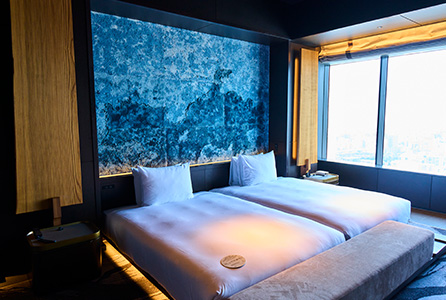
The Royal Park Hotel ICONIC Nagoya is built around the concept of "Journey through CHUBU." Throughout the hotel, you'll discover design elements inspired by the history and culture of the Chubu region, including Aichi Prefecture.

Suzuki
I had no idea such a wonderful hotel was inside the newly reopened Chunichi Building.
Shimizu
For local people, the Chunichi Building has always been a truly iconic landmark.
Suzuki
Where can guests find those Chubu-inspired touches?
Shimizu
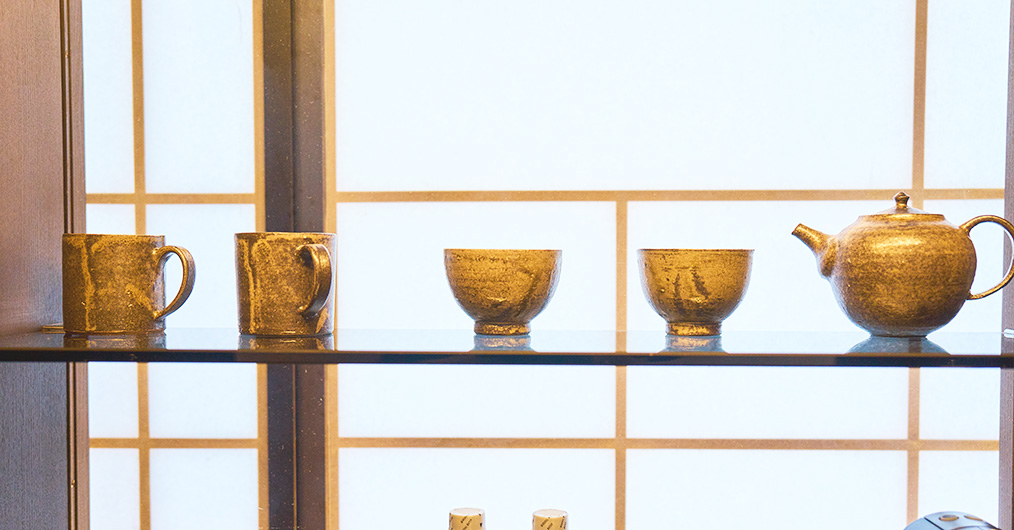
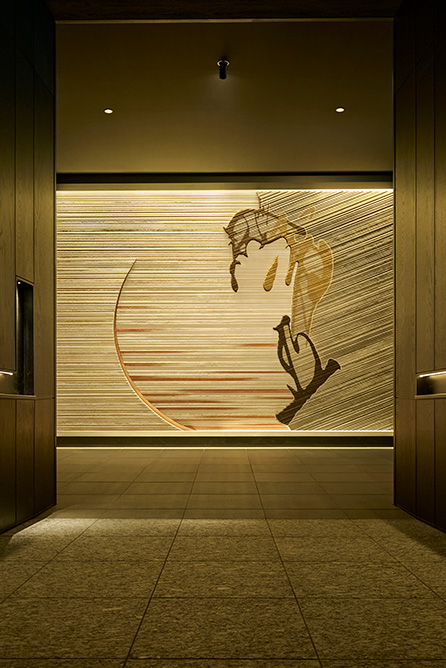
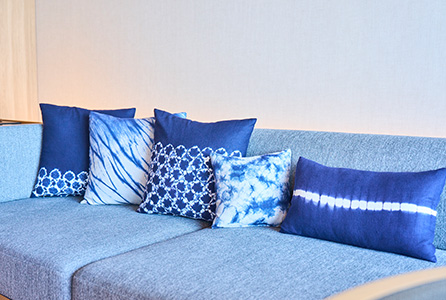
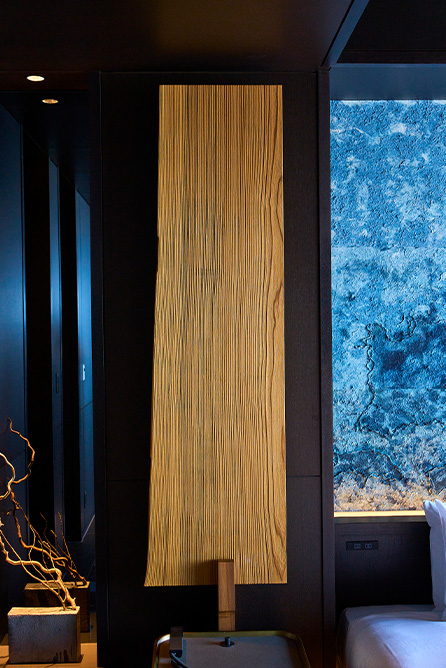
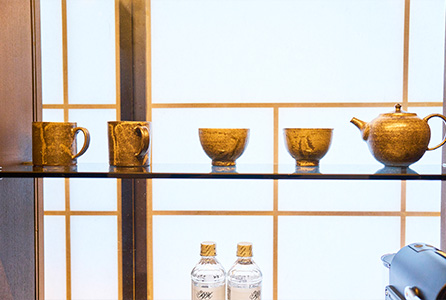
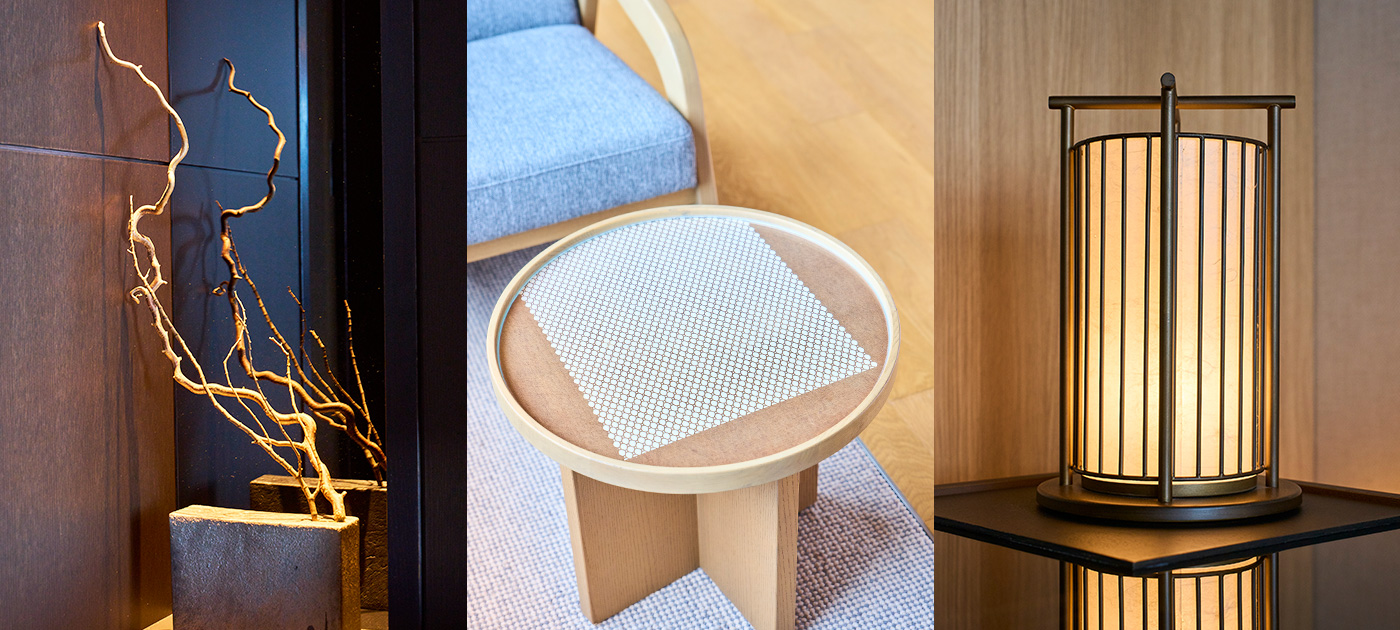
They're everywhere. For example, the artwork in our entrance features traditional sakan plasterwork, a decorative wall finish handcrafted by artisans using natural materials such as earth and lime plaster. A single-slab reception counter is made from Japanese zelkova wood from Gifu Prefecture, while Kiso hinoki cypress is used throughout the hotel. In our guest rooms, you'll also find interior pieces inspired by traditional crafts such as Arimatsu Shibori tie-dye textiles and Tokoname ware ceramics, as well as wooden speakers made from Miyama cedar.
Suzuki
I was also fascinated by the uniquely shaped piece of furniture in the guest room.
Shimizu
I'm glad you noticed. It's actually a custom-designed multi-counter modeled after a traditional Japanese tea canister, created exclusively for some of our guest rooms. Tea culture is an important part of hospitality in the Chubu region, so we wanted to incorporate that spirit into the guest experience as well.
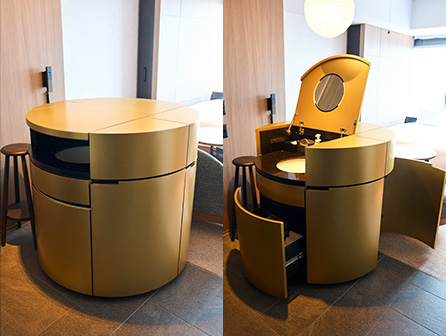
A custom-designed multi-counter inspired by a traditional Japanese tea canister. Inside are a washbasin, a refrigerator, and guest amenities. Its opening mechanism was inspired by traditional karakuri dolls, a distinctive craft of the Chubu region.
Suzuki
From the entrance to the guest rooms, it feels as though you're stepping into one seamless story.
Shimizu
Exactly. And the story extends beyond the design. Chubu is also home to Japan's famous Three Great Unifiers—Oda Nobunaga, Toyotomi Hideyoshi, and Tokugawa Ieyasu. During their stay with us, we hope our guests will experience the enduring spirit and rich cultural heritage these historical figures left behind.
What Sustainability Initiatives Is the Hotel Undertaking?
Shimizu
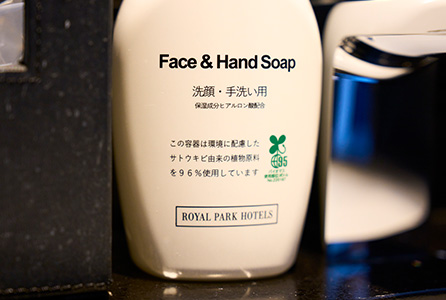
To start with one of the most visible examples, we’ve been working to reduce plastic use. Across our hotel group, we’ve been switching guest-room amenities to biomass-based alternatives over the past several years.
Suzuki
So you have been reducing plastic use not only in items such as toothbrushes, hairbrushes, and razors, but also in hand soap bottles and other products.
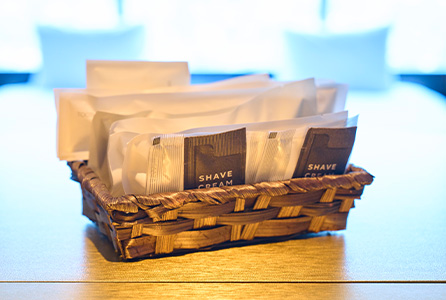
Before introducing new amenities, general managers from across the hotel group try them out firsthand to assess their feel and ease of use from a guest’s perspective. Every item is subjected to rigorous evaluation before being adopted.

Shimizu
One recent example is the installation of water dispensers at our newly opened hotels in Naha and Maihama to reduce the number of plastic bottles provided in guest rooms.
Suzuki
I see. As you explored ways to reduce plastic use, did aluminum ever come up as an option?
Shimizu
Absolutely. We also considered aluminum bottles. However, when we looked at how well they would fit with our hotel concept, we concluded that the timing was not quite right, particularly in terms of design and how they would be presented to guests. We therefore decided not to introduce them at that point.
Suzuki
That is a valuable perspective. It is not just about the qualities of the material itself; it is also important to preserve the hotel’s distinctive atmosphere and brand identity.
Shimizu
That said, on a personal level, I certainly make good use of aluminum cans—mostly for beer—almost every evening. (Laughs.)
Suzuki
I couldn't agree more! Cold beer just tastes better from an aluminum can! (Laughs.)
How Can Sustainability Create a Win-Win for All?
Shimizu
We're also committed to reducing food waste in our restaurants. But rather than simply reducing waste, what matters most to us is building a cycle rooted in our connections with the local community.
Suzuki
A cycle rooted in local connections?
Shimizu
Exactly. We make effective use of locally grown fruits and vegetables that are perfectly delicious but don't meet retail standards because of their appearance. In the past, we've used them in soups, and today we serve them as breakfast smoothies.

Suzuki
That's a wonderful example of local production for local consumption.
Shimizu
It's a win for everyone. Transportation costs are lower, farmers avoid unnecessary waste, and the hotel can serve fresh local ingredients to its guests. Everyone involved benefits.
Suzuki
How have your guests responded?
Shimizu
The response has been overwhelmingly positive. Of course, many guests tell us the smoothies are delicious, but we've also heard comments like, "I'm glad I could contribute to the environment." Once people know the story behind what they're enjoying, it creates another kind of positive cycle.
Suzuki
I completely agree. At UACJ, we're also making company-wide efforts to promote the circular use of aluminum by finding better ways to recycle aluminum used in Japan and around the world.
Shimizu
The system itself is important, but so is thinking about where that cycle takes place. Because we're rooted here in Nagoya, we want to keep local resources circulating within the community and share their appeal with people beyond the region.
Suzuki
Creating a cycle around local resources—that's a fascinating way to think about sustainability.
What Does a "Local Resource Cycle" Mean as a New Approach?
Shimizu
At Mitsubishi Estate Hotels & Resorts, one of our core values is "Welcoming guests with the city." It reflects our belief that hospitality means sharing the unique culture of each destination—from its crafts, art, and cuisine to the traditions that have grown out of the lives of the people who call it home.
Suzuki
"Welcoming guests with the city." That's a wonderful message.
Shimizu
I believe that sharing the unique appeal of a region is, in itself, an important part of sustainability. Our role as a hotel is to showcase the rich resources of the local community through our spaces and hospitality, allowing guests to experience them for themselves. Then, by inspiring guests to appreciate those local treasures, we hope to contribute to the local community in return. That's the kind of cycle we strive to create.
Suzuki
I see. So it's about creating a sustainable cycle that embraces the region's history and culture.
Shimizu
We also work closely with local artists, master craftspeople, and artisans throughout the Chubu region. By doing so, we hope to foster a harmonious relationship with the local community so that the entire region can continue to thrive.
Suzuki
A hotel that connects people with both the city and its community—that's truly inspiring.
Shimizu
Speaking of local communities, how does UACJ, as a materials fabricator, engage with the regions where you operate?
Suzuki
Because our Nagoya Works is located close to residential areas, we hold the Inari Festival every April as an event open to the local community. We invite our neighbors to visit the plant and build stronger relationships with them through factory tours and other activities.
Shimizu
Since manufacturing plants aren't places that the general public can usually enter, creating opportunities like that helps build relationships where people know one another personally. I think that gives local residents a greater sense of trust and reassurance.
Suzuki
Exactly. Growing together with local communities has always been—and will continue to be—one of our highest priorities.
What Possibilities Are There for Collaboration with Aluminum?
Shimizu
When I think about collaboration between aluminum and hotels, the first ideas that come to mind are replacing guest room amenities with aluminum products or creating exclusive aluminum amenities or branded gifts for guests.
Suzuki
Thank you! Actually, aluminum is an exceptionally recyclable material. If it's collected properly, it can be recycled over and over again into exactly the same product—without any loss in quality.
Shimizu
A material that has the potential to achieve a truly closed-loop cycle sounds like a perfect fit with our philosophy as a hotel.
Suzuki
For example, aluminum cans collected at hotels could be recycled by UACJ back into aluminum ingots and then made into new products that are delivered back to the hotel. In theory, creating that kind of circular system is entirely possible.
Shimizu
Are there any other interesting ways aluminum could be used in hotels?
Suzuki
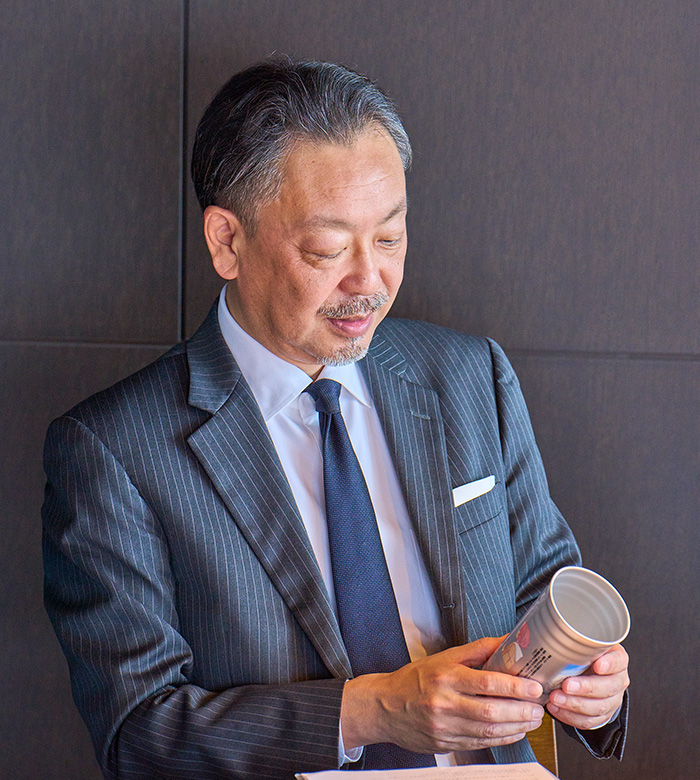
One idea is reusable straws, mugs, and spoons that take advantage of aluminum's excellent thermal conductivity. They quickly take on the warmth of your hand, making them surprisingly comfortable to use, and they're easy to incorporate into the guest experience.
Shimizu
We actually produced reusable aluminum straws once before, and they were very well received by our guests. I think they definitely have potential as hotel amenities.
What Can We Do Together for the Future?
Shimizu
Our hope is to become a hotel that will remain a beloved part of the community for many years to come. Going forward, we'd like to strengthen our ties not only with local creators but also with local businesses, and work together even more closely.
Suzuki
Expanding those local connections—it's exactly the kind of proactive sustainability that looks toward the future.
Shimizu
We've collaborated in the past with a local company that developed a matcha-scented fragrance. Going forward, we'd like to continue building new partnerships like that and expand opportunities for co-creation throughout the local community.
Suzuki
Although we're in different industries, we'd be delighted if UACJ could join you as one of your partners in creating a more sustainable future alongside local businesses.
Shimizu
Absolutely! Let's work together to create exciting new cycles that connect the local community with the future.
Suzuki
Today's conversation has given me so many new ideas and perspectives. Thank you very much for taking the time to speak with us.
AFTER INTERVIEW
Taichi Suzuki, UACJ
To be honest, I wasn't quite sure what to expect from a conversation between a luxury hotel and an aluminum fabricator. As it turned out, though, there was no need to worry. Seeing how a hotel rooted in its local community creates memorable spaces and meaningful guest experiences—from both the guest's and the hotel's perspectives—made the time fly by. I'd love to come back someday with my family and experience that spirit of living in harmony with the local community for myself.
Profile
With every department transfer, the products I worked on contained a little more aluminum than before. Today, I belong to Aluminum Heat Exchanger Development Section, where we develop the fully-aluminum-made heat exchangers. I always thought I was still one of the younger employees. Then one day I realized this year's new recruits are 12 years younger than I am—which means we've come full circle and now share the same Chinese zodiac sign!
LINK
Mitsubishi Estate Hotels & Resorts Initiatives for the SDGs
https://www.royalparkhotels.co.jp/en/hotels/sdgs/
https://www.royalparkhotels.co.jp/en/hotels/sdgs/
* The information in this article was current at the time of the interview.